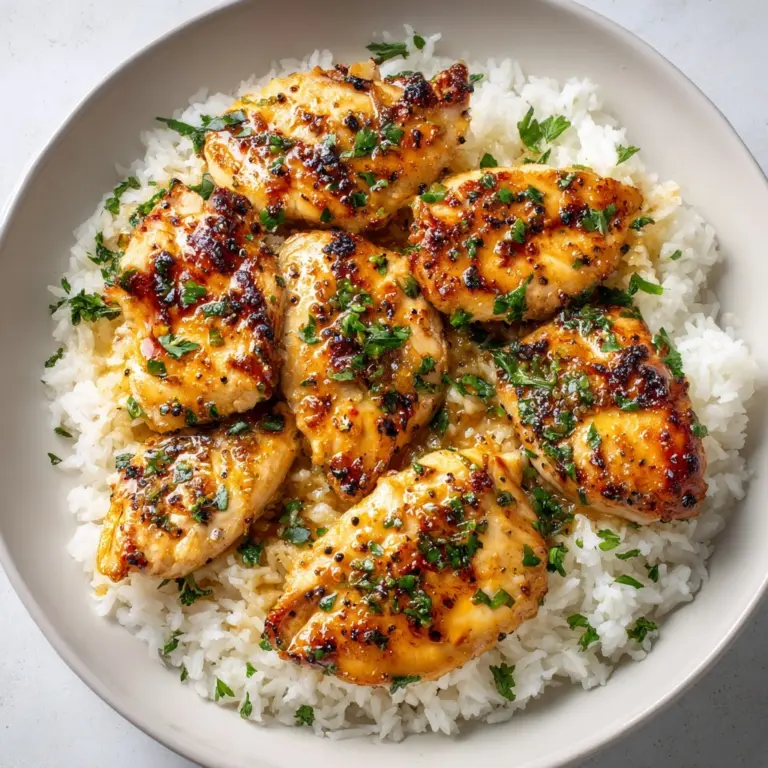
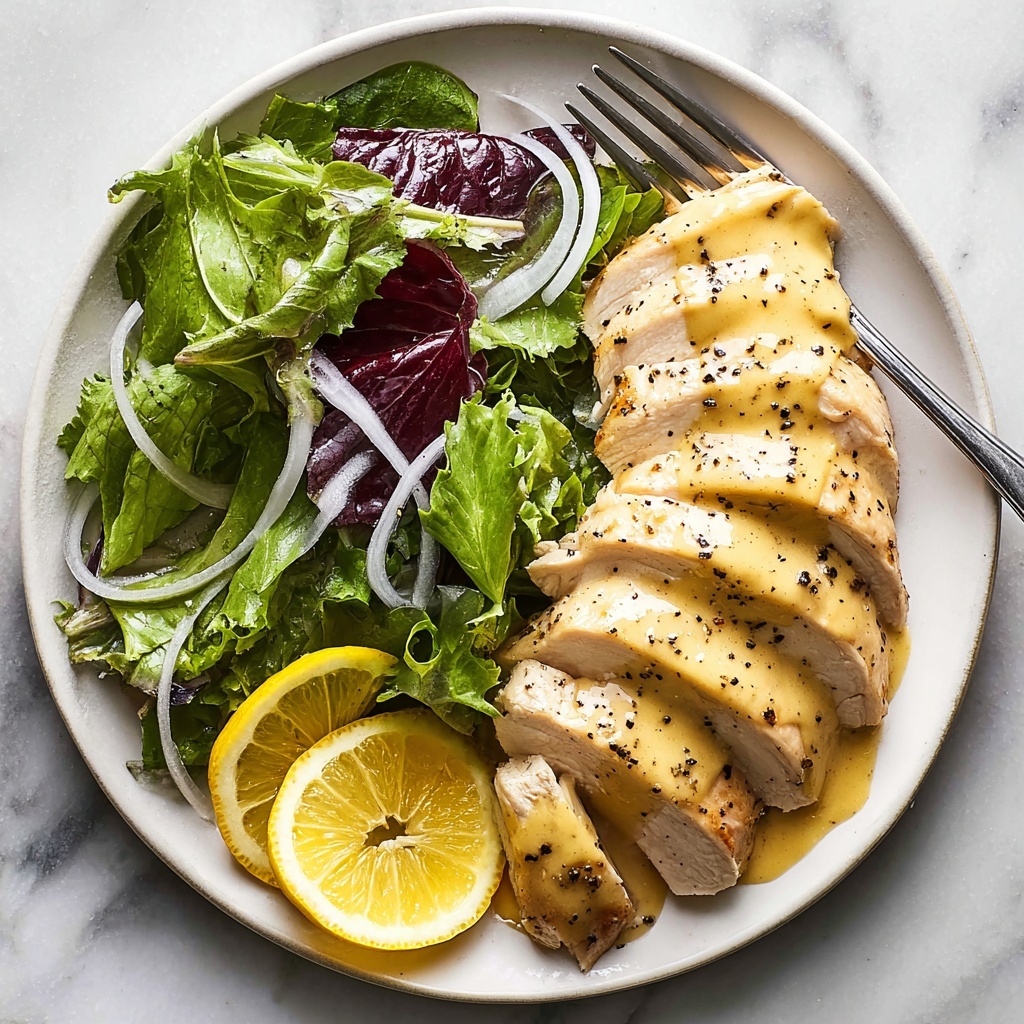
If you’re longing for a dish that’s both elegant and effortlessly comforting, the Poached Chicken Breasts with Aromatic Herbs and White Wine Recipe will quickly become your go-to meal. This recipe transforms simple chicken breasts into a tender, juicy centerpiece infused with fragrant thyme, rosemary, and garlic, all enhanced by the subtle acidity of dry white wine. It’s a wonderful harmony of flavors that feels special yet is surprisingly easy to perfect, making it ideal for weeknight dinners or casual entertaining.
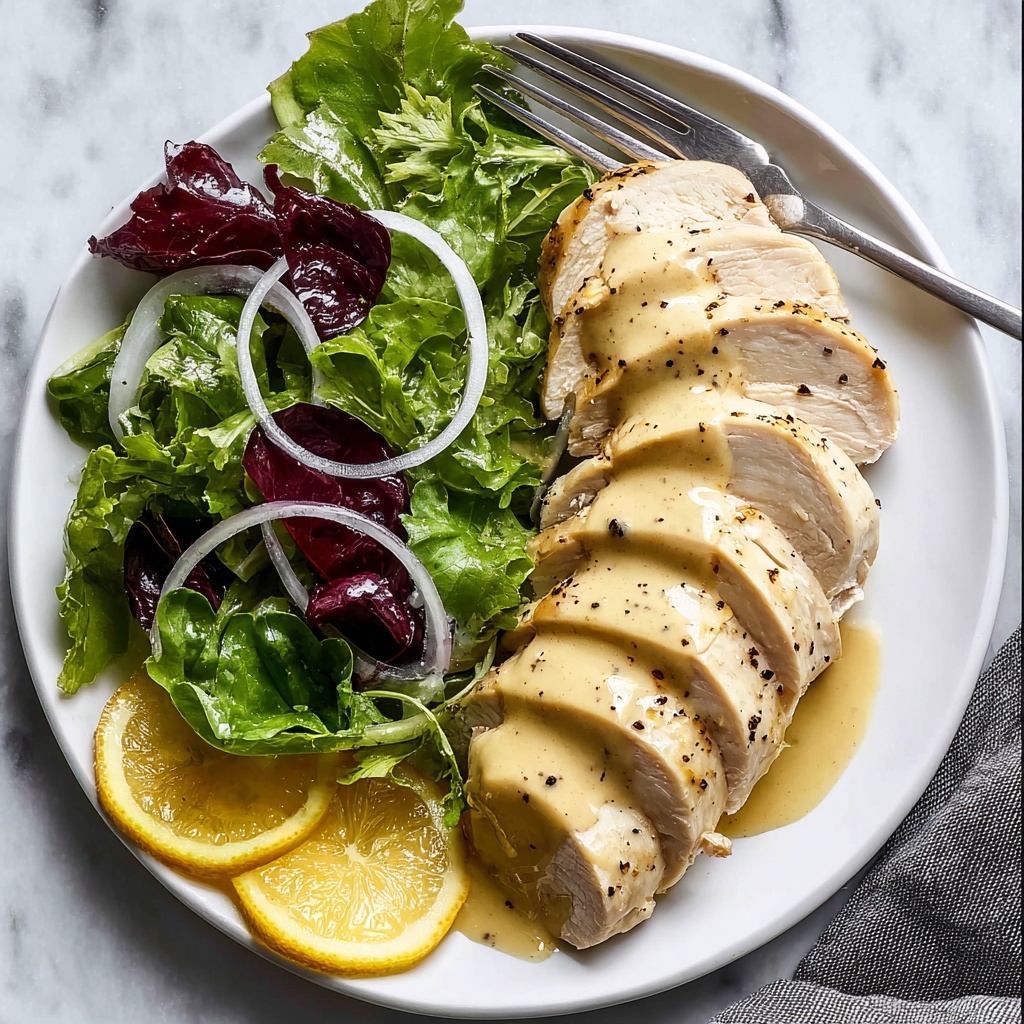
Ingredients You’ll Need
This recipe celebrates simplicity, yet every ingredient plays an important role in building layers of flavor. From fresh herbs that add an aromatic punch to the white wine that lends brightness and depth, each component is essential to create this lush, perfectly poached chicken.
- 2 boneless, skinless chicken breasts: The lean protein base that soaks up all the delicious herbs and wine.
- 2 sprigs thyme: Offers a subtle earthiness and freshness that lifts the chicken.
- 2 sprigs rosemary: Adds a fragrant piney note that complements the poultry beautifully.
- 2 cloves garlic: Infuses the poaching liquid with savory warmth without overpowering.
- 2 bay leaves: Deepens the flavor with a slightly floral, herbal nuance.
- 1 lemon (sliced): Brings a bright citrus aroma that cuts through the richness.
- 1 teaspoon peppercorns: Adds a gentle spicy kick and complexity.
- 1 onion (thickly sliced): Sweetens the broth as it slowly cooks and complements the herbs.
- 3 teaspoons kosher salt: Essential for seasoning and enhancing natural flavors.
- 1 cup dry white wine: Imparts acidity and a subtle fruity note, enriching the poaching liquid.
- 4 cups cold water: Balances the wine and broth to ensure perfect cooking temperature.
- 4 cups low sodium chicken broth: Provides savory depth and moisture for cooking the chicken.
How to Make Poached Chicken Breasts with Aromatic Herbs and White Wine Recipe
Step 1: Prepare the Chicken and Aromatics
Start by placing your boneless, skinless chicken breasts at the bottom of a Dutch oven or a pan with high sides. This ensures even poaching. Next, select 4-5 aromatics from your ingredients—like thyme, rosemary, garlic, bay leaves, and onion—and nestle them around the chicken. These fresh herbs and veggies create the fragrant bath that will gently infuse the meat.
Step 2: Add the Liquid
Pour in one cup of dry white wine first to give the chicken a slight fruity tang and acidity. Then add enough cold water or chicken broth to cover the chicken by about an inch. This combination keeps the poaching liquid balanced—rich but not overpowering—allowing the chicken to cook evenly and absorb those delicate flavors.
Step 3: Bring to a Boil
Place the pan over medium-low heat and slowly bring the liquid almost to a boil. This gradual rise in temperature ensures gentle cooking, which prevents the chicken from becoming rubbery. Watch carefully; it should take about 10 minutes to reach this point, signaling the start of the cooking process.
Step 4: Turn Off Heat and Let Chicken Rest
Once the liquid boils, switch off the heat and flip the chicken breasts. Cover the pan with a lid and allow the chicken to rest in the hot liquid for 15 minutes. This off-heat cooking is the secret to juicy, tender chicken, as it prevents overcooking and lets the flavors deepen while the meat finishes cooking gently.
Step 5: Check for Doneness and Rest
Use an instant-read thermometer to check the thickest part of the chicken—it should read 165°F when perfectly cooked. Transfer the breasts to a cutting board and let them rest for another 5 minutes before slicing. Resting helps retain all the juices, ensuring every bite is succulent.
Step 6: Slice and Serve
After that final rest, slice your beautifully poached chicken breasts and get ready to enjoy. The tender texture and aromatic flavor make this dish a delightful centerpiece on any table.
How to Serve Poached Chicken Breasts with Aromatic Herbs and White Wine Recipe
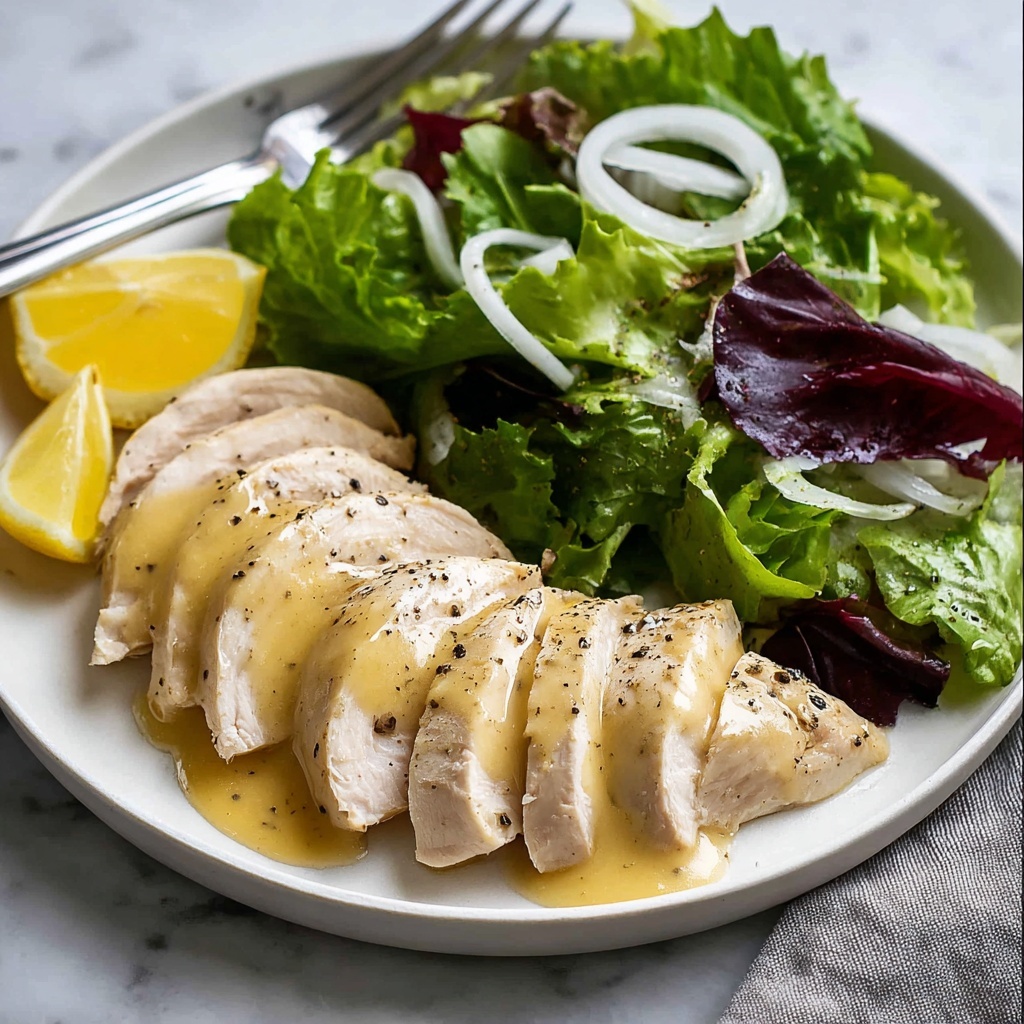
Garnishes
For the perfect finishing touch, sprinkle freshly chopped parsley or chives over the sliced chicken. A light drizzle of good quality olive oil or a squeeze of fresh lemon brightens the dish wonderfully. These simple garnishes add a fresh burst of color and subtle flavor contrast.
Side Dishes
This delicate dish pairs beautifully with roasted vegetables, buttery mashed potatoes, or a light quinoa salad. The mild flavors of poached chicken allow you to experiment with a variety of sides, so consider seasonal produce like asparagus in spring or roasted root vegetables in winter for a comforting meal.
Creative Ways to Present
Impress your guests by plating slices of the poached chicken atop a bed of creamy risotto or alongside a vibrant salad with citrus vinaigrette. You can also serve the sliced chicken cold over mixed greens for a refreshing summer lunch. Wrapping slices in delicate lettuce leaves with a spoonful of herb sauce makes for a tasty handheld treat.
Make Ahead and Storage
Storing Leftovers
Store any leftover poached chicken breasts in an airtight container in the refrigerator for up to 3 days. Keep them submerged in a little of the leftover poaching liquid or chicken broth to maintain moisture. This will help the chicken stay tender and flavorful when you’re ready to eat again.
Freezing
This recipe freezes well. Place cooled chicken breasts in a freezer-safe container or zip-top bag, ideally with some of the poaching liquid. Label it and freeze for up to 2 months. When thawed properly in the fridge overnight, the chicken retains much of its succulent texture and flavor.
Reheating
To reheat, gently warm the chicken breasts in a covered skillet over low heat with a splash of broth or water to keep them from drying out. Avoid microwaving if possible, as this can overcook the meat and make it tough. Slow and gentle warming preserves the delicious qualities of your poached chicken.
FAQs
Can I use other types of chicken besides breasts?
Absolutely! While this recipe is designed for boneless, skinless chicken breasts, bone-in breasts or even thighs can be used. Just adjust the cooking time accordingly, ensuring they’re fully cooked to an internal temperature of 165°F.
What if I don’t have white wine on hand?
No worries—just swap the wine with an equal amount of chicken broth or water with a splash of lemon juice. This adjustment keeps the bright flavors without needing alcohol.
Can I add other herbs or spices?
Definitely! Feel free to experiment with tarragon, sage, or even a pinch of red pepper flakes for subtle heat. The poaching liquid is very forgiving and lends itself well to customization.
How can I make sure the chicken stays tender?
Poach gently by bringing the liquid just to a boil and then turning off the heat to let the chicken rest covered. Avoid boiling vigorously, which can make the meat tough and dry.
Is this recipe good for meal prep?
Yes! The Poached Chicken Breasts with Aromatic Herbs and White Wine Recipe is an excellent choice for cooking ahead. It keeps well, freezes beautifully, and can be sliced or shredded for easy use in salads, sandwiches, or wraps throughout the week.
Final Thoughts
I really hope you give the Poached Chicken Breasts with Aromatic Herbs and White Wine Recipe a try—it’s one of those dishes that feels fancy but is honestly so simple to make. The tender, flavorful chicken paired with aromatic herbs and the subtle elegance of white wine is pure comfort food that’s light enough for any occasion. Once you master this technique, you’ll find yourself returning to it again and again because it’s just that good!
Print
Poached Chicken Breasts with Aromatic Herbs and White Wine Recipe
- Prep Time: 5 minutes
- Cook Time: 10 minutes
- Total Time: 30 minutes
- Yield: 2 servings (2 chicken breasts)
- Category: Main Course
- Method: Stovetop
- Cuisine: American
- Diet: Low Salt
Description
This Poached Chicken Breasts recipe offers a simple, healthy way to prepare tender and flavorful chicken using aromatic herbs and a gentle cooking technique. Poaching keeps the chicken moist and juicy, making it perfect for a light dinner or a versatile ingredient for other dishes.
Ingredients
Chicken and Aromatics
- 2 boneless, skinless chicken breasts
- 2 sprigs thyme
- 2 sprigs rosemary
- 2 cloves garlic
- 2 bay leaves
- 1 lemon (sliced)
- 1 teaspoon peppercorns
- 1 onion (thickly sliced)
Seasoning and Liquids
- 3 teaspoons kosher salt
- 1 cup dry white wine
- 4 cups cold water
- 4 cups low sodium chicken broth
Instructions
- Prepare the Chicken: Place the boneless, skinless chicken breasts at the bottom of a Dutch oven or a similarly sized heavy-bottomed pan to ensure even cooking.
- Add Aromatics: Select 4 to 5 aromatic ingredients such as thyme, rosemary, garlic, bay leaves, lemon slices, peppercorns, and thickly sliced onion, then add them to the pan with the chicken to infuse flavor during poaching.
- Pour in the Liquids: Add the dry white wine first, then enough cold water or low sodium chicken broth to cover the chicken by about an inch, ensuring even poaching and flavor absorption.
- Heat the Liquid: Place the pan over medium-low heat and gently bring the liquid to a boil; this process will take approximately 10 minutes. Once it reaches a boil, immediately turn off the heat to prevent overcooking.
- Poach the Chicken: Flip the chicken breasts over in the liquid then cover the pan with a lid. Let the chicken rest in the hot poaching liquid for 15 minutes to finish cooking gently. Check for doneness by ensuring an instant-read thermometer inserted in the thickest part reads 165°F (75°C).
- Rest and Serve: Transfer the chicken breasts to a cutting board and allow them to rest for 5 minutes. Slice and serve as desired, enjoying the tender and flavorful poached chicken.
Notes
- Use an instant-read thermometer to ensure the chicken is cooked to a safe internal temperature without drying it out.
- You can substitute the dry white wine with additional chicken broth or water if preferred or for non-alcoholic versions.
- The poaching liquid can be strained and used as a light broth for soups or sauces.
- Poached chicken is ideal for salads, sandwiches, or served simply with steamed vegetables.
- Adjust salt based on broth saltiness and personal preference.