“`html
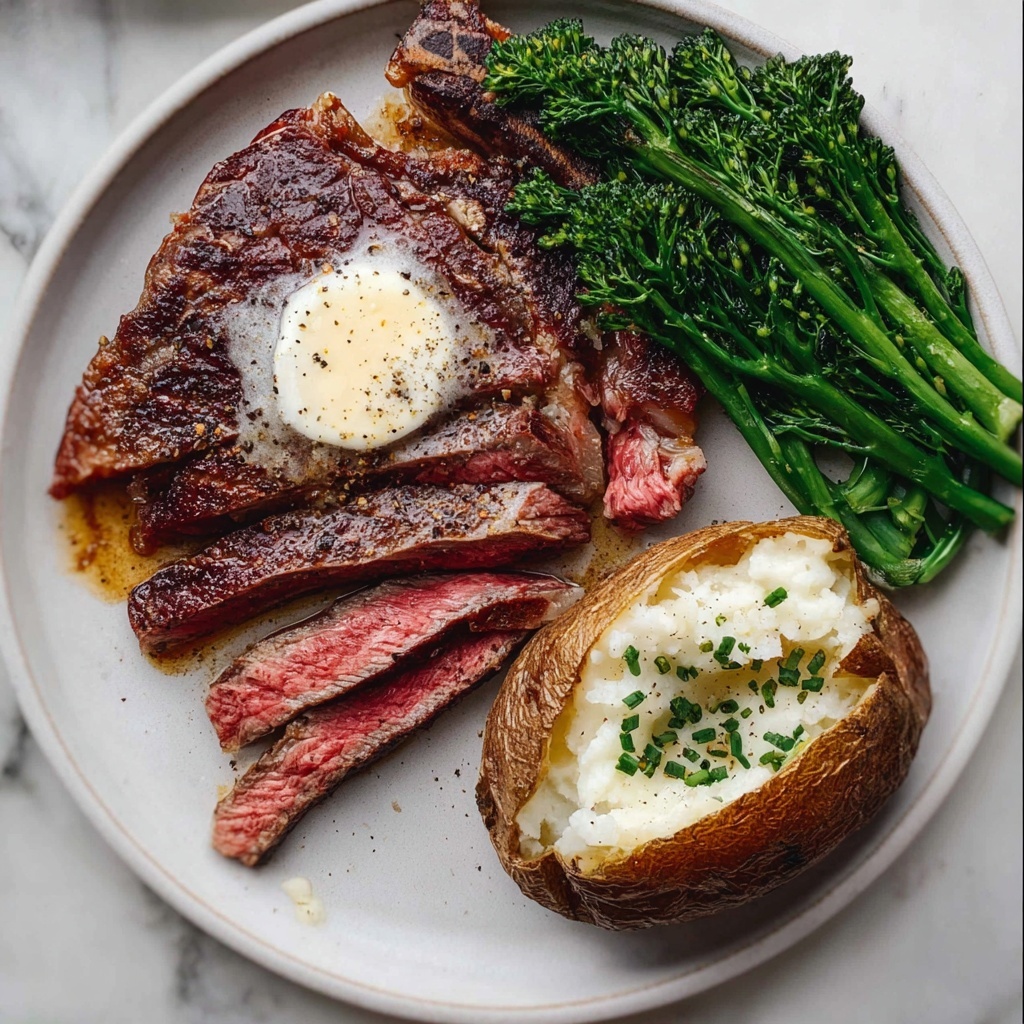
If you have ever wondered how to cook ribeye steak recipe that delivers a beautifully seared exterior with a juicy, tender interior, you are in for a real treat. This recipe breaks down the seemingly intimidating process into simple, manageable steps so you can enjoy a restaurant-quality steak right at home. With just a handful of essential ingredients and some straightforward techniques, you’ll master the art of cooking ribeye to perfection every time.
Ingredients You’ll Need
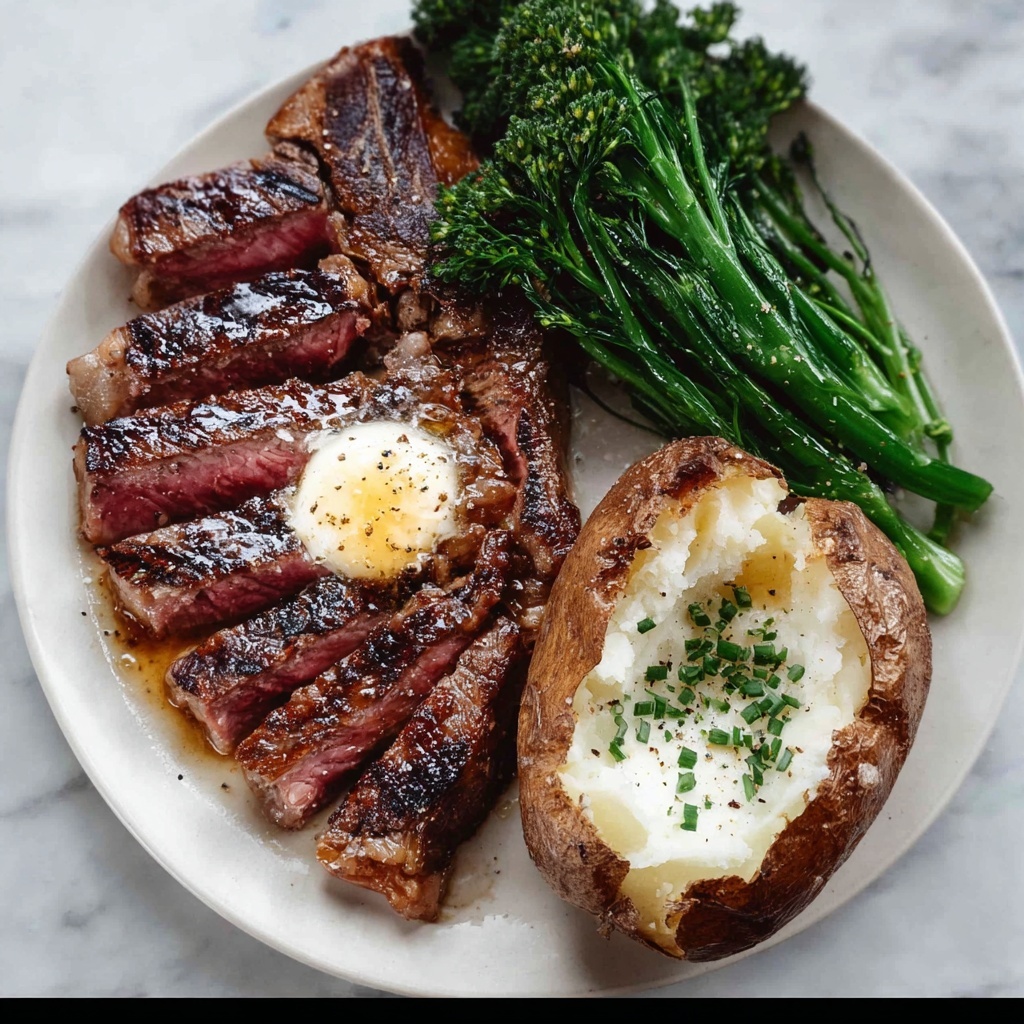
To create that unforgettable ribeye steak, you really don’t need a long shopping list. Each ingredient plays a vital role to enhance flavor, texture, and color, ensuring a rich and savory meal that’s nothing short of spectacular.
- 2 (1-inch thick) boneless ribeye steaks: Choose steaks with good marbling for maximum juiciness and flavor.
- 1 teaspoon kosher salt: Helps draw out moisture and creates a savory crust on the steak.
- ½ teaspoon ground black pepper: Adds subtle spice and complements the meaty taste perfectly.
- 1½ tablespoons canola oil (or olive oil): Provides the ideal high smoke point for searing the steak evenly.
- 2 tablespoons unsalted butter (divided): Adds luscious richness and helps infuse flavors during cooking.
- 2 cloves garlic (minced): Brings aromatics that enhance the savory profile of the steak.
- Chopped fresh rosemary (optional, for garnish): Offers a fragrant herbal note that pairs beautifully with beef.
How to Make How to Cook Ribeye Steak Recipe
Step 1: Prepare the Steak
Start by bringing your ribeye steaks to room temperature, about 30 minutes before cooking. This simple step ensures more even cooking from edge to center, giving you that perfect medium-rare or your preferred doneness without any cold spots.
Step 2: Heat Your Skillet
Place your cast iron skillet over medium-high heat and let it get really hot. The secret to a beautiful crust on the ribeye is starting with a smoking-hot pan that sears the meat instantly, locking in juices and flavor.
Step 3: Season the Steak
Generously season both sides of the steak with kosher salt and freshly ground black pepper. Don’t skimp here—the seasoning is crucial for creating that flavorful crust and enhancing the natural beefiness.
Step 4: Begin Searing
Add the canola or olive oil to the hot skillet. Once the oil shimmers, place the ribeye steaks in the pan. You’ll hear that delightful sizzle—this means you’re on your way to steak magic! Let it cook undisturbed for 3-4 minutes to develop a deep, golden sear.
Step 5: Flip and Finish Cooking
Carefully flip the steaks and cook the other side for 2-3 minutes, depending on your preferred doneness. For best results, use a meat thermometer to check temperatures: 130°F for medium-rare, 140°F for medium. Precision pays off with steak perfection every time.
Step 6: Add Butter and Aromatics
Top each steak with a tablespoon of butter and sprinkle the minced garlic and fresh rosemary over them while still in the pan. The butter will melt and mingle with the aromatics, infusing your ribeye with rich, fragrant goodness.
Step 7: Rest & Serve
Transfer your steaks to a plate or cutting board and let them rest for 10 minutes. This resting period allows the juices to redistribute throughout the meat, so every bite stays tender and juicy. Patience here truly pays off.
How to Serve How to Cook Ribeye Steak Recipe
Garnishes
A simple sprinkle of fresh chopped rosemary adds an elegant herbal touch, complementing the steak’s smoky, buttery flavors. You can also add a pinch of flaky sea salt right before serving to enhance the savory crust even more.
Side Dishes
Classic sides like creamy mashed potatoes, roasted asparagus, or a fresh arugula salad with lemon vinaigrette balance the rich richness of the ribeye beautifully. These accompaniments provide contrast in texture and brightness on your plate.
Creative Ways to Present
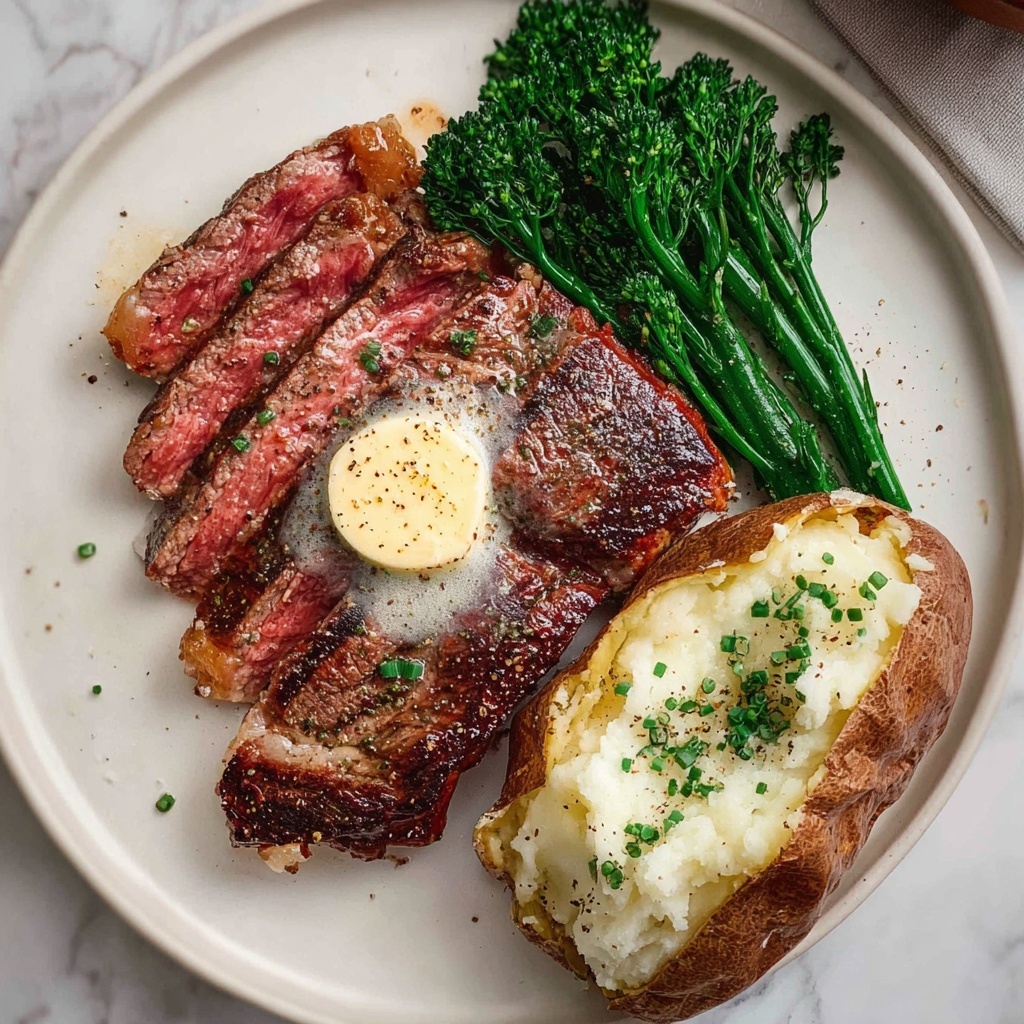
For a stunning presentation, slice the ribeye thinly against the grain and fan it out on a warmed board or platter. Garnish with garlic butter drizzled on top and a sprig of rosemary for a restaurant-quality look that will impress family and guests alike.
Make Ahead and Storage
Storing Leftovers
If you have any steak leftover, wrap it tightly in aluminum foil or place it in an airtight container and store it in the refrigerator. Enjoy within 3 days to maintain maximum flavor and texture.
Freezing
To freeze your cooked ribeye, slice it first and arrange pieces in a freezer-safe bag. Remove as much air as possible before sealing. Frozen steak can keep in perfect condition for up to 2 months.
Reheating
Reheat leftover ribeye gently by placing slices in a warm skillet over low heat or warming in the oven wrapped in foil. This slower reheating prevents drying out and helps maintain the juicy tenderness you worked so hard to achieve.
FAQs
What is the best thickness for ribeye steaks?
For even cooking and a perfect sear, a thickness of about 1 inch to 1.5 inches is ideal. This thickness lets the center cook to your preference while developing a flavorful crust on the outside.
Can I use olive oil instead of canola oil?
Yes, you can use olive oil for searing, but be mindful that extra virgin olive oil has a lower smoke point than canola oil. Light or pure olive oil is preferred if you want to stick with olive-based oils for high-heat cooking.
How long should I rest my steak after cooking?
Resting your steak for 8 to 10 minutes allows the juices to redistribute, preventing them from spilling out as soon as you cut into the meat. This makes for a juicier, more tender bite.
What temperature should my ribeye be cooked to?
For medium-rare, aim for an internal temperature of 130°F. If you prefer medium, cook to 140°F. Using a meat thermometer is the most reliable way to ensure you don’t overcook your steak.
Can I add herbs or spices other than rosemary?
Absolutely! Thyme, sage, or even a touch of smoked paprika can add exciting flavor twists to your ribeye. Feel free to experiment with your favorite herbs to create your personal signature steak.
Final Thoughts
Learning how to cook ribeye steak recipe the right way opens up a world of delicious possibilities. With this approachable yet impressive recipe, you can treat yourself and your loved ones to a juicy, mouthwatering steak dinner anytime. So grab those ribeyes, fire up the skillet, and savor every unforgettable bite—you deserve it!
“`
Print
How to Cook Ribeye Steak Recipe
- Prep Time: 35 minutes
- Cook Time: 5 minutes
- Total Time: 40 minutes
- Yield: 2 servings
- Category: Main Course
- Method: Frying
- Cuisine: American
Description
A straightforward and delicious recipe for cooking the perfect boneless ribeye steak using a cast iron skillet. This method ensures a beautifully seared crust with tender, juicy meat, enhanced by garlic, butter, and optional rosemary garnish.
Ingredients
Steak
- 2 (1-inch thick) boneless ribeye steaks
Seasoning
- 1 teaspoon kosher salt
- ½ teaspoon ground black pepper
Cooking
- 1½ tablespoons canola oil (olive oil works too)
- 2 tablespoons unsalted butter (divided, ¼ stick)
- 2 cloves garlic (minced)
- Chopped fresh rosemary (optional, for garnish)
Instructions
- Bring Steaks to Room Temperature: Remove the steaks from the refrigerator and let them sit for about 30 minutes to ensure even cooking.
- Heat the Skillet: Place a cast iron skillet on the stove over medium-high heat until it is very hot, which helps in achieving a perfect sear.
- Season the Steaks: Generously season both sides of the steaks with kosher salt and a couple pinches of ground black pepper for balanced flavor.
- Add Oil to Skillet: Once the skillet is heated, add canola oil and swirl to coat evenly to prevent sticking and enhance browning.
- Sear the First Side: Place the steaks in the hot skillet and let them cook undisturbed for 3-4 minutes to create a nice crust.
- Flip and Cook Second Side: Flip the steaks and cook for an additional 2-3 minutes until they reach the desired doneness. Use a meat thermometer for accuracy.
- Add Butter, Garlic, and Rosemary: Top each steak with 1 tablespoon of butter and sprinkle minced garlic and chopped fresh rosemary on top for added aroma and flavor.
- Rest the Steaks: Transfer the steaks to a plate or cutting board and let them rest for 10 minutes to allow juices to redistribute before serving.
Notes
- Allowing the steak to come to room temperature helps in cooking evenly throughout.
- Using a cast iron skillet is ideal for a perfect sear due to its heat retention properties.
- Adjust cooking time based on the thickness of the steak and preferred doneness.
- Resting the steak after cooking is essential to retain juices and flavor.
- Optional rosemary garnish adds a fresh herbal note but can be omitted if unavailable.