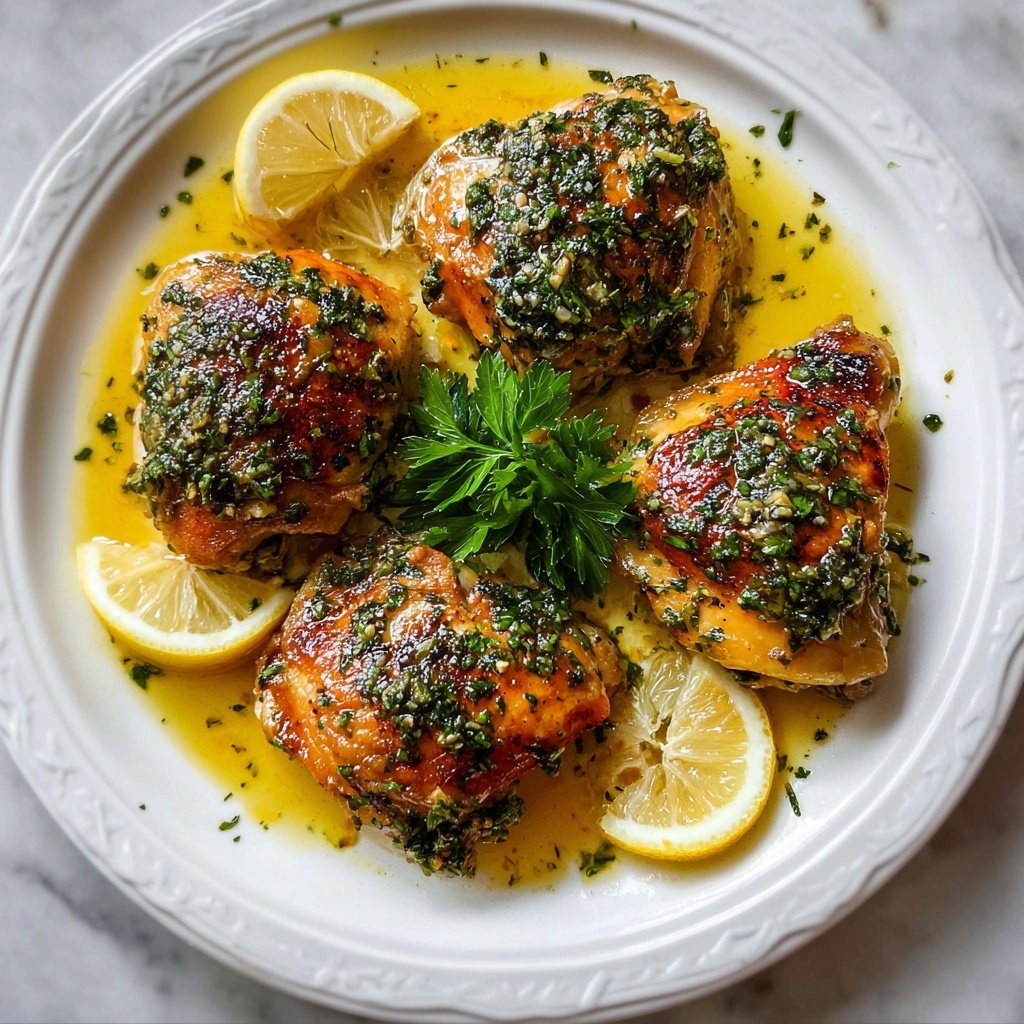
If you love dishes that are bursting with gourmet flavors yet surprisingly simple to make, then this Dijon Chicken in Garlic Wine Sauce Recipe is your next kitchen triumph. Juicy chicken breasts are transformed by a luscious sauce combining the tangy kick of Dijon mustard, the aromatic allure of garlic, and the subtle sophistication of white wine. Each bite feels like a warm hug, perfectly balancing creamy, savory, and zesty notes. Whether you’re cooking for a weeknight dinner or impressing guests, this recipe is a delightful crowd-pleaser that brings an elegant touch without fuss.
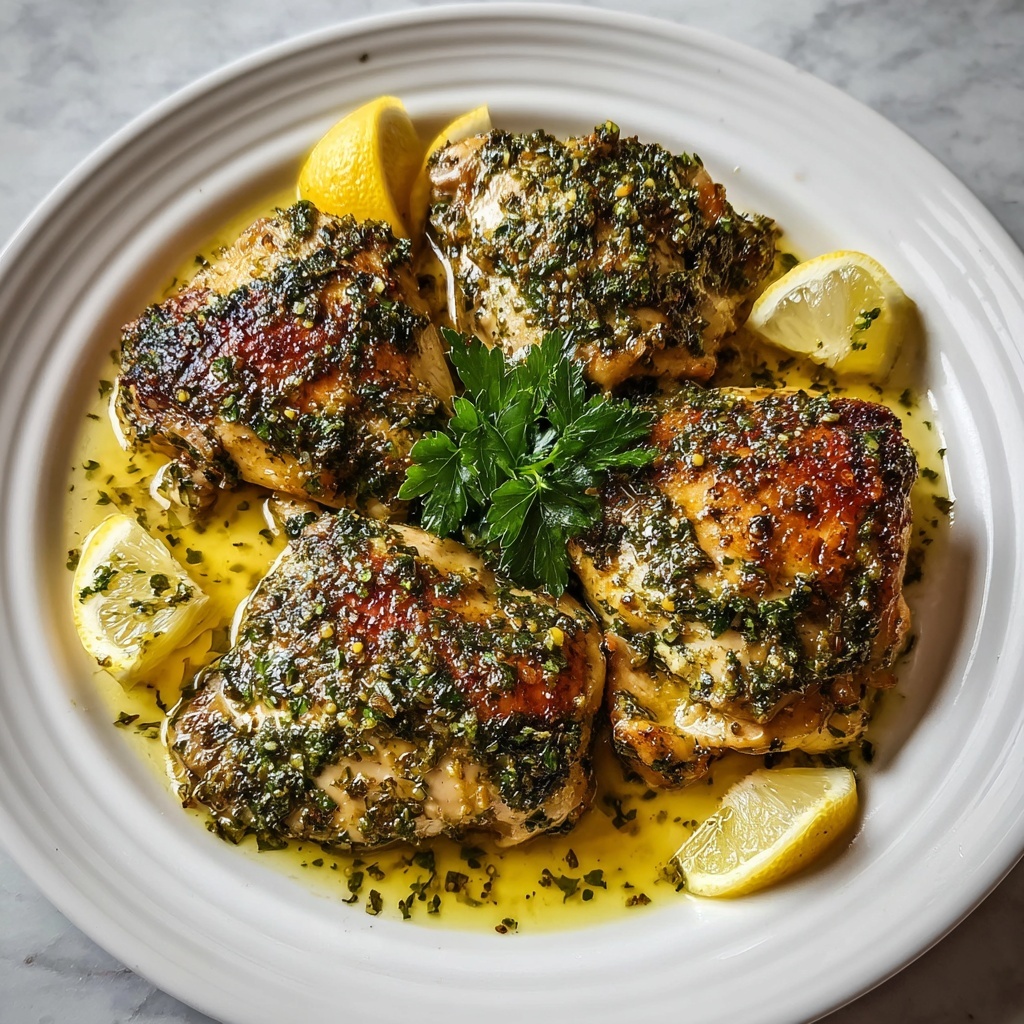
Ingredients You’ll Need
All the ingredients in this Dijon Chicken in Garlic Wine Sauce Recipe are straightforward but essential for building layers of flavor that shine. From fresh garlic adding fragrant depth to the bright zip of lemon juice, each component works together to create an irresistible dish.
- 4 boneless, skinless chicken breasts: The tender base that soaks up the delicious sauce.
- 2 tablespoons Dijon mustard: Adds tang and a subtle spicy note that defines the dish.
- Salt and pepper to taste: Simple seasonings that enhance all the other flavors.
- 2 tablespoons olive oil: Perfect for searing the chicken to a golden brown crust.
- 4 cloves garlic, minced: Brings an aromatic punch that infuses the sauce.
- 1 cup white wine (such as Sauvignon Blanc): Adds acidity and a delicate fruity backdrop to the sauce.
- 1 cup chicken broth: Deepens the savory flavor and helps create a luscious sauce.
- 2 tablespoons fresh parsley, chopped: Offers a fresh, herbal finish and vibrant color.
- 1 tablespoon lemon juice: Brightens the sauce with a refreshing citrus tang.
- 1 teaspoon dried thyme: Provides an earthy, slightly minty undertone.
- 1 tablespoon butter: Enriches the sauce with smoothness and shine at the end.
How to Make Dijon Chicken in Garlic Wine Sauce Recipe
Step 1: Season and Prepare the Chicken
Start by seasoning both sides of your chicken breasts generously with salt and pepper. Then spread the Dijon mustard evenly over the top of each piece. This step is key to infusing the chicken with that distinctive tangy flavor that makes this dish unforgettable.
Step 2: Sear the Chicken Mustard Side Down
Heat the olive oil in a large skillet over medium-high heat. Once the oil is shimmering, carefully place the chicken breasts mustard side down into the pan. Sear them until golden and slightly crisp for about 5 to 7 minutes. This caramelization adds texture and depth.
Step 3: Flip and Cook the Other Side
Flip the chicken breasts to cook the second side for another 5 minutes. This ensures the chicken cooks evenly while locking in those beautiful juices.
Step 4: Add Garlic and Sauté
Reduce the heat slightly, add the minced garlic to the skillet, and sauté for about one minute. The garlic should become fragrant but not browned, releasing its amazing aroma that will elevate your sauce.
Step 5: Deglaze with White Wine
Pour in the white wine slowly, using a wooden spoon to scrape any browned bits off the bottom of the skillet. This technique deglazes the pan, incorporating all those concentrated flavors right into the sauce base.
Step 6: Add Remaining Liquid and Herbs
Next, add the chicken broth, dried thyme, and lemon juice. Bring everything to a gentle simmer over medium-low heat. These ingredients combine to create a perfectly balanced sauce with just the right hint of herbal and citrus notes.
Step 7: Simmer and Cook the Chicken Through
Cover your skillet and let the chicken simmer for approximately 15 minutes. This slow cooking method ensures the chicken reaches an internal temperature of 165°F, resulting in juicy, tender meat infused with the sauce’s flavor.
Step 8: Remove Chicken and Thicken Sauce
Once the chicken is cooked, transfer the breasts to a plate and keep warm. Turn the heat back up to high and boil the sauce for about 5 minutes. This reduction thickens the sauce to a luscious consistency that clings beautifully to the chicken.
Step 9: Finish the Sauce
Remove the skillet from the heat and swirl in the butter along with chopped fresh parsley. The butter enriches the sauce, giving it a velvety texture, while the parsley adds a burst of color and freshness.
Step 10: Serve and Enjoy
Place the chicken breasts on warm plates and generously spoon over your irresistible garlic wine sauce. This finishing touch offers a mouthwatering presentation that’s sure to impress.
How to Serve Dijon Chicken in Garlic Wine Sauce Recipe
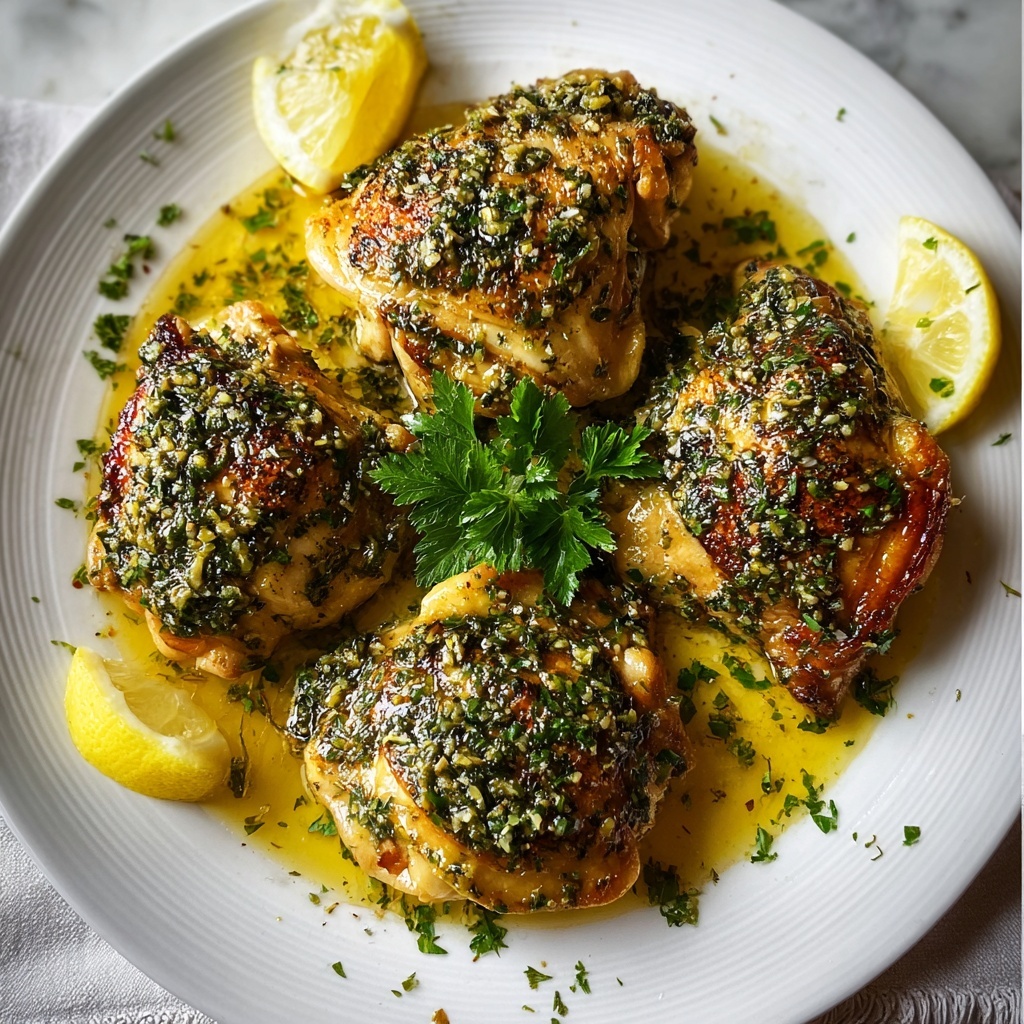
Garnishes
A sprinkle of freshly chopped parsley never fails to brighten the rich sauce and add a lovely pop of green. For an extra hint of brightness, consider lemon zest or thinly sliced fresh thyme sprigs to elevate the final presentation.
Side Dishes
This dish pairs beautifully with creamy mashed potatoes to soak up every drop of sauce, or buttery noodles tossed with herbs. Roasted vegetables or a crisp green salad provide a fresh contrast, balancing the richness perfectly.
Creative Ways to Present
For a rustic touch, serve your Dijon chicken over a bed of sautéed spinach or garlic rice. You can also plate it family-style in a large skillet for a cozy, communal vibe that invites everyone to dive in.
Make Ahead and Storage
Storing Leftovers
Leftover Dijon Chicken in Garlic Wine Sauce Recipe keeps well in an airtight container in the refrigerator for up to 3 days. The sauce may thicken upon chilling, so add a splash of broth or water when reheating to restore its velvety texture.
Freezing
You can freeze the cooked chicken and sauce separately in freezer-safe containers for up to 2 months. When ready to enjoy, thaw overnight in the refrigerator for best results.
Reheating
Gently reheat in a skillet over medium-low heat, stirring the sauce occasionally to prevent sticking and adding a bit of liquid if needed. Microwaving works in a pinch but takes care not to overcook the chicken.
FAQs
Can I use a different type of mustard?
While Dijon mustard is essential for the characteristic tangy flavor of this recipe, you can experiment with whole grain mustard for a slightly different texture and subtle nuttiness.
Is there a non-alcoholic substitute for white wine?
Absolutely! You can replace white wine with additional chicken broth and a splash of white wine vinegar or lemon juice to maintain acidity without the alcohol.
Can I use bone-in chicken breasts?
Yes, but keep in mind bone-in pieces require longer cooking times to reach the proper internal temperature. Adjust simmering accordingly to ensure doneness.
How do I know when the chicken is fully cooked?
The safest way is to use a meat thermometer; when the internal temperature reaches 165°F (75°C), the chicken is perfectly cooked and safe to eat.
Can this recipe be made gluten-free?
Yes! Just double-check that your chicken broth and Dijon mustard are gluten-free brands, which many are, and avoid any thickeners that might contain gluten.
Final Thoughts
If you’re looking for a dish that feels effortlessly elegant and packed with flavor, this Dijon Chicken in Garlic Wine Sauce Recipe is a must-try. It’s the kind of recipe you’ll want to reach for again and again, whether for a cozy night in or to wow your dinner guests. Give it a go, and prepare to fall in love with every tangy, garlicky, wine-infused bite.
Print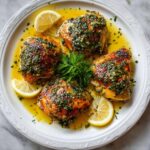
Dijon Chicken in Garlic Wine Sauce Recipe
- Prep Time: 10 minutes
- Cook Time: 30 minutes
- Total Time: 40 minutes
- Yield: 4 servings
- Category: Main Course
- Method: Stovetop
- Cuisine: French
Description
This Dijon Chicken in Garlic Wine Sauce is a flavorful and elegant dish featuring tender chicken breasts cooked in a savory garlic and white wine sauce. Enhanced with Dijon mustard, fresh herbs, and a hint of lemon, this recipe delivers a perfect balance of tangy and aromatic flavors. Ideal for a cozy weeknight dinner or a special occasion, the skillet-cooked chicken remains juicy and is complemented beautifully by the rich, buttery sauce.
Ingredients
Chicken
- 4 boneless, skinless chicken breasts
- 2 tablespoons Dijon mustard
- Salt and pepper to taste
- 2 tablespoons olive oil
Sauce
- 4 cloves garlic, minced
- 1 cup white wine (such as Sauvignon Blanc)
- 1 cup chicken broth
- 2 tablespoons fresh parsley, chopped
- 1 tablespoon lemon juice
- 1 teaspoon dried thyme
- 1 tablespoon butter
Instructions
- Season and prepare chicken: Start by seasoning both sides of the chicken breasts with salt and pepper. Then, spread the Dijon mustard evenly over the top side of each breast to infuse flavor before cooking.
- Brown the chicken, mustard side down: Heat olive oil in a large skillet over medium-high heat. Once hot, place the chicken breasts mustard side down and cook for about 5-7 minutes until they develop a golden brown crust.
- Cook the other side: Flip the chicken breasts and cook for an additional 5 minutes on the other side to ensure even cooking.
- Sauté garlic: Add the minced garlic to the skillet with the chicken and sauté for about 1 minute, until fragrant but not burnt, to build aromatic depth.
- Deglaze skillet with white wine: Carefully pour in the white wine, scraping the bottom of the skillet with a wooden spoon to lift any browned bits that add flavor to the sauce.
- Add broth and seasonings: Stir in chicken broth, dried thyme, and lemon juice. Bring the mixture to a simmer, then reduce heat to medium-low to gently cook the chicken through.
- Simmer covered: Cover the skillet and let the chicken simmer for about 15 minutes until it reaches an internal temperature of 165°F (75°C), indicating it is fully cooked.
- Remove chicken: Take the chicken breasts out of the skillet and set aside on a plate to rest while you reduce the sauce.
- Thicken the sauce: Increase the heat to high and let the sauce boil for about 5 minutes or until it slightly thickens, concentrating the flavors.
- Finish the sauce: Remove the skillet from heat and stir in butter and chopped parsley to add richness and fresh herbaceous notes.
- Serve: Plate the chicken breasts and generously pour the garlic wine sauce over them, ready to enjoy a flavorful and elegant meal.
Notes
- Use a good-quality dry white wine like Sauvignon Blanc for the best sauce flavor.
- Allow the chicken to rest briefly after cooking to retain its juices.
- Adjust seasoning with additional salt and pepper if needed after simmering.
- If you prefer a thicker sauce, mix a teaspoon of cornstarch with cold water and stir it into the sauce during the final simmer.
- Serve with rice, mashed potatoes, or crusty bread to soak up the delicious sauce.