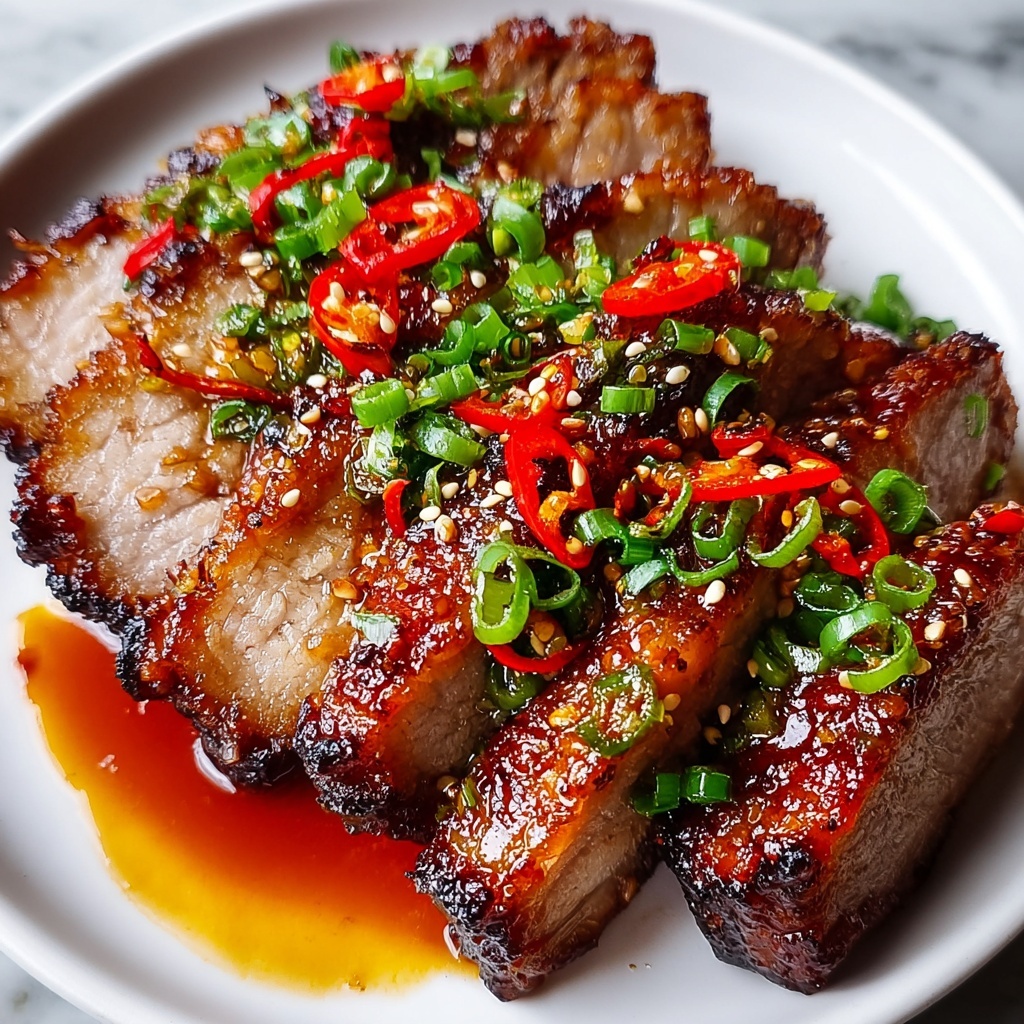
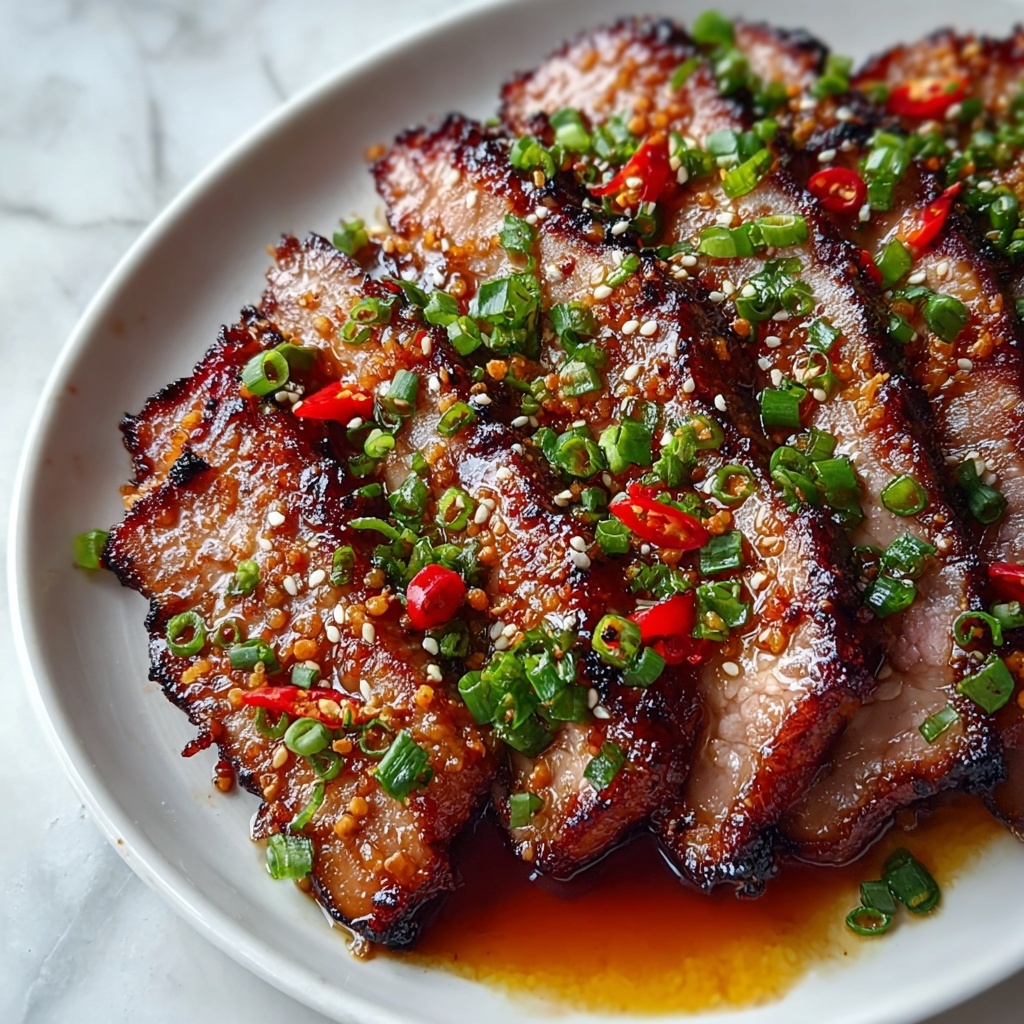
If you are craving an irresistible dish that perfectly balances sweet, savory, and a touch of spice, then this Tender & Flavorful Asian Pork Tenderloin Recipe is your new go-to. Juicy pork tenderloin is marinated in a vibrant blend of soy sauce, hoisin, ginger, and honey, then roasted to perfection. The result? A melt-in-your-mouth experience that’s both elegant and surprisingly simple to prepare, promising to impress both your taste buds and your dinner guests every time.
Ingredients You’ll Need
This recipe calls for a handful of staples that are easy to find but essential in creating layers of flavor. Every ingredient plays a key role, from the salty depth of soy sauce to the fresh brightness of ginger, making this dish a deliciously well-rounded meal.
- 1 pound pork tenderloin: Choose a fresh, quality cut for the best tenderness and flavor.
- 3 tablespoons soy sauce: Adds rich umami and saltiness to the marinade.
- 2 tablespoons hoisin sauce: Provides sweetness and complexity with a hint of tang.
- 1 tablespoon rice vinegar: Balances the sweetness with a mild acidity.
- 1 tablespoon sesame oil: Infuses a nutty aroma that is signature to Asian cuisine.
- 1 tablespoon honey: Brings a gentle sweetness that caramelizes beautifully when cooked.
- 3 cloves minced garlic: A punch of pungent, savory flavor.
- 1-inch piece of fresh ginger, grated: Adds a fragrant zest and warming spice.
- 1 teaspoon crushed red pepper flakes (adjust to taste): Gives the dish just the right amount of heat.
- Salt and pepper to taste: Essential for seasoning and enhancing all the flavors.
- 2 green onions, chopped (for garnish): Adds freshness and a splash of vibrant color.
- Sesame seeds (for garnish): Provides a crunchy texture and visual appeal.
How to Make Tender & Flavorful Asian Pork Tenderloin Recipe
Step 1: Preheat and Prepare
Start by preheating your oven to 400 degrees Fahrenheit (or 200 degrees Celsius). This high heat is essential to achieve a perfect roast that locks in juices and caramelizes the exterior beautifully.
Step 2: Whisk the Marinade
In a medium bowl, combine soy sauce, hoisin sauce, rice vinegar, sesame oil, honey, minced garlic, grated ginger, and crushed red pepper flakes. Whisk everything until you have a smooth, harmonious marinade that will soon transform your pork into a flavor sensation.
Step 3: Season the Pork
Pat the pork tenderloin dry and season it generously with salt and pepper on all sides. This simple seasoning step helps highlight the natural pork flavor before the marinade takes over.
Step 4: Marinate the Pork
Place the seasoned tenderloin in a resealable plastic bag or a shallow dish, then pour the prepared marinade over the top. Seal or cover, then transfer to the refrigerator. While a quick 30-minute soak works in a pinch, letting it marinate for several hours or overnight will infuse the pork with maximum flavor and tenderize the meat even more.
Step 5: Bring Pork to Room Temperature
About 15 minutes before cooking, take the pork out of the refrigerator to let it come to room temperature. This step helps the pork cook evenly and retain its juicy texture.
Step 6: Sear the Pork
Heat a large oven-safe skillet over medium-high heat. When hot, add the pork tenderloin and sear each side for 3 to 4 minutes until a golden-brown crust forms. This caramelization adds depth and flavor that’s simply irresistible.
Step 7: Add Remaining Marinade
Pour the leftover marinade into the skillet around the pork. This will keep the meat moist and infuse it with extra layers of flavor as it finishes cooking in the oven.
Step 8: Roast to Perfection
Transfer the skillet directly to the preheated oven. Roast the pork for 15 to 20 minutes, or until an instant-read thermometer inserted into the thickest part registers 145 degrees Fahrenheit (63 degrees Celsius). This precise temperature guarantees a juicy, tender result.
Step 9: Rest the Meat
Remove the pork from the oven and let it rest for 5 to 10 minutes. Resting allows the juices to redistribute throughout the meat, ensuring each slice stays tender and moist.
Step 10: Slice and Garnish
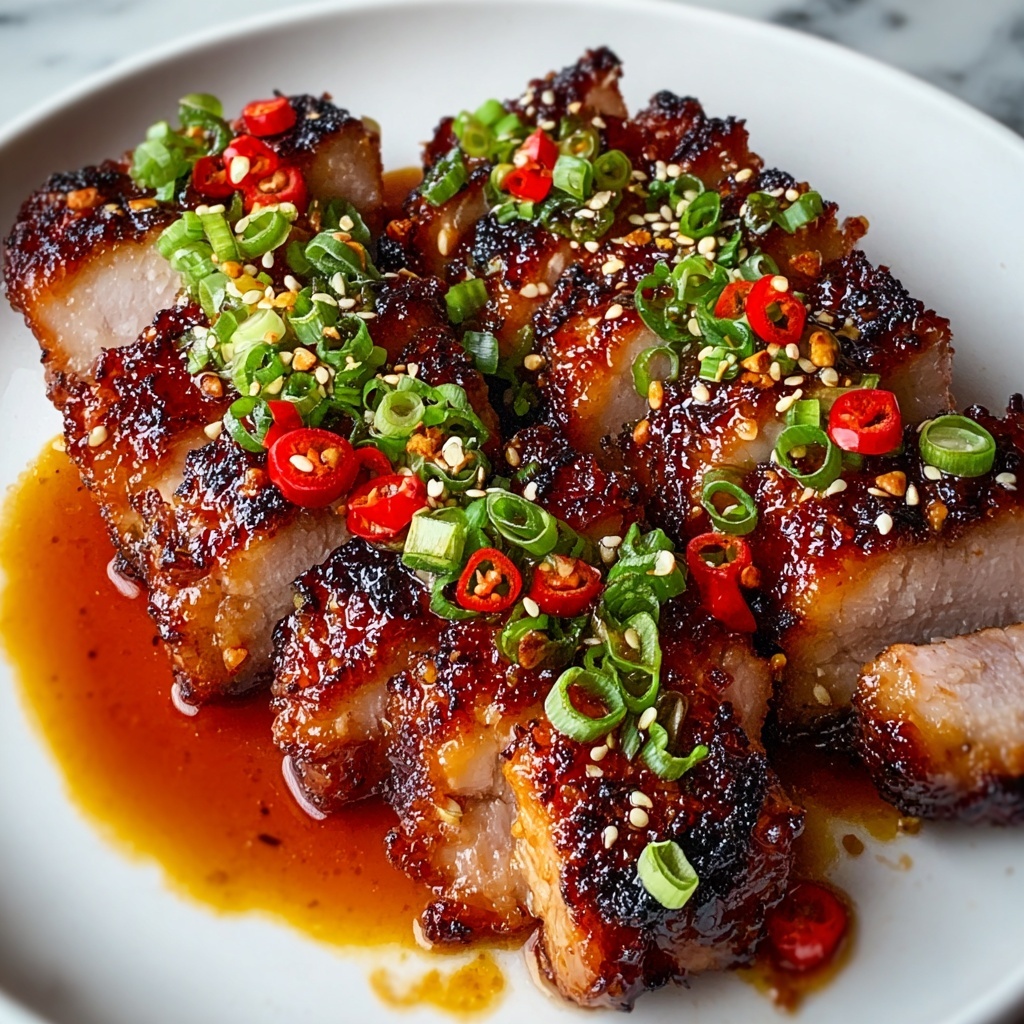
Slice the pork into medallions and sprinkle with chopped green onions and sesame seeds. These simple garnishes add freshness and a delightful crunch that make every bite exciting.
How to Serve Tender & Flavorful Asian Pork Tenderloin Recipe
Garnishes
Chopped green onions and toasted sesame seeds not only enhance the look of the dish but also elevate the texture and flavor. The slight bite of the onions pairs wonderfully with the sweet and spicy notes of the pork.
Side Dishes
This pork tenderloin pairs beautifully with steamed jasmine rice or fluffy coconut rice, which soak up the delicious pan juices. For a lighter option, serve with sautéed bok choy or a crisp Asian cucumber salad to add refreshing contrast.
Creative Ways to Present
For a fun twist, consider serving the sliced pork atop warm lettuce cups or tucked inside soft bao buns with pickled vegetables for a street-food-inspired feast. You can even turn leftovers into a vibrant pork fried rice or a hearty noodle bowl to enjoy the flavors in new and exciting ways.
Make Ahead and Storage
Storing Leftovers
Leftover pork can be stored in an airtight container in the refrigerator for up to 3 days. Keeping it tightly sealed helps maintain its moisture and prevents the flavors from fading.
Freezing
If you want to save extras for longer, wrap the cooked and sliced pork tightly in plastic wrap, then place it in a freezer-safe bag or container. It will keep well in the freezer for up to 2 months without losing flavor or texture.
Reheating
To reheat, gently warm the pork slices in a covered skillet over low heat or in the microwave, adding a splash of water or broth to keep the meat moist. Avoid overheating, as pork can dry out quickly when reheated.
FAQs
Can I make this recipe without hoisin sauce?
Yes! If you don’t have hoisin sauce on hand, you can substitute with a mix of soy sauce and a bit of honey or brown sugar to mimic the sweetness and depth, though the flavor won’t be quite the same.
Is pork tenderloin the best cut for this recipe?
Pork tenderloin is perfect because it’s lean, tender, and cooks quickly. Other cuts like pork loin chops can work but may require adjustments in cooking time to avoid drying out.
How spicy is this Tender & Flavorful Asian Pork Tenderloin Recipe?
The crushed red pepper flakes add a subtle heat that can be adjusted to your liking. You can reduce or omit them if you prefer a milder dish or add more if you love a spicy kick.
Can I use this marinade for grilling?
Absolutely! This marinade works wonderfully for grilling pork tenderloin as well, imparting the same tender and flavorful finish with delicious grill marks.
How long should I marinate the pork for best results?
While 30 minutes is sufficient in a pinch, marinating for at least 4 hours or overnight dramatically enhances the tenderness and depth of flavor, turning this into a true showstopper.
Final Thoughts
I can’t recommend this Tender & Flavorful Asian Pork Tenderloin Recipe enough if you want a quick yet impressively tasty meal. It’s one of those recipes that brightens any dinner and feels special without demanding hours in the kitchen. Give it a try, share it with loved ones, and watch it become a beloved classic in your recipe rotation.
Print
Tender & Flavorful Asian Pork Tenderloin Recipe
- Prep Time: 7 hours 15 minutes
- Cook Time: 30 minutes
- Total Time: 7 hours 45 minutes
- Yield: 4 servings
- Category: Main Course
- Method: Roasting
- Cuisine: Asian
Description
This tender and flavorful Asian pork tenderloin recipe features a savory marinade of soy sauce, hoisin sauce, and aromatic ginger, balanced with a hint of sweetness from honey and heat from crushed red pepper flakes. The pork is marinated for hours, seared to lock in juices, then oven-roasted for a perfectly cooked, juicy finish. Garnished with fresh green onions and sesame seeds, it makes a deliciously vibrant main dish that pairs well with steamed rice or vegetables.
Ingredients
For the Pork and Marinade
- 1 pound pork tenderloin
- 3 tablespoons soy sauce
- 2 tablespoons hoisin sauce
- 1 tablespoon rice vinegar
- 1 tablespoon sesame oil
- 1 tablespoon honey
- 3 cloves garlic, minced
- 1-inch piece fresh ginger, grated
- 1 teaspoon crushed red pepper flakes (adjust to taste)
- Salt and pepper to taste
For Garnish
- 2 green onions, chopped
- Sesame seeds
Instructions
- Preheat the oven: Set your oven to 400°F (200°C) to ensure it is fully heated for roasting the pork.
- Prepare the marinade: In a medium bowl, whisk together soy sauce, hoisin sauce, rice vinegar, sesame oil, honey, minced garlic, grated ginger, and crushed red pepper flakes until well combined.
- Season the pork: Generously season the pork tenderloin with salt and pepper on all sides to enhance flavor.
- Marinate the pork: Place the pork tenderloin in a resealable plastic bag or shallow dish, pour the marinade over the meat, seal or cover, and refrigerate for at least 30 minutes. For best flavor, marinate for 7 hours or overnight.
- Bring pork to room temperature: Remove the marinated pork from the refrigerator and let it rest at room temperature for 15 minutes to ensure even cooking.
- Sear the pork: Heat a large oven-safe skillet over medium-high heat. Add the pork and sear for 3 to 4 minutes on each side until browned on all sides to lock in juices.
- Add remaining marinade: Pour the leftover marinade over the seared pork in the skillet to keep it moist and flavorful during roasting.
- Roast the pork: Transfer the skillet to the preheated oven and roast the pork tenderloin for 15 to 20 minutes, or until the internal temperature reaches 145°F (63°C) when measured with a meat thermometer.
- Rest the pork: Remove the skillet from the oven and allow the pork to rest for 5 to 10 minutes. This resting period lets the juices redistribute, making the meat tender and juicy.
- Slice and garnish: Slice the pork into medallions and garnish with chopped green onions and sesame seeds before serving.
Notes
- Marinating the pork overnight enhances the flavor intensity and tenderness.
- Use an oven-safe skillet such as cast iron to easily transfer from stovetop to oven.
- Always use a meat thermometer to ensure pork is cooked to the safe internal temperature of 145°F (63°C).
- Letting the pork rest after cooking prevents juices from escaping when sliced.
- Adjust crushed red pepper flakes to control the heat level according to your preference.