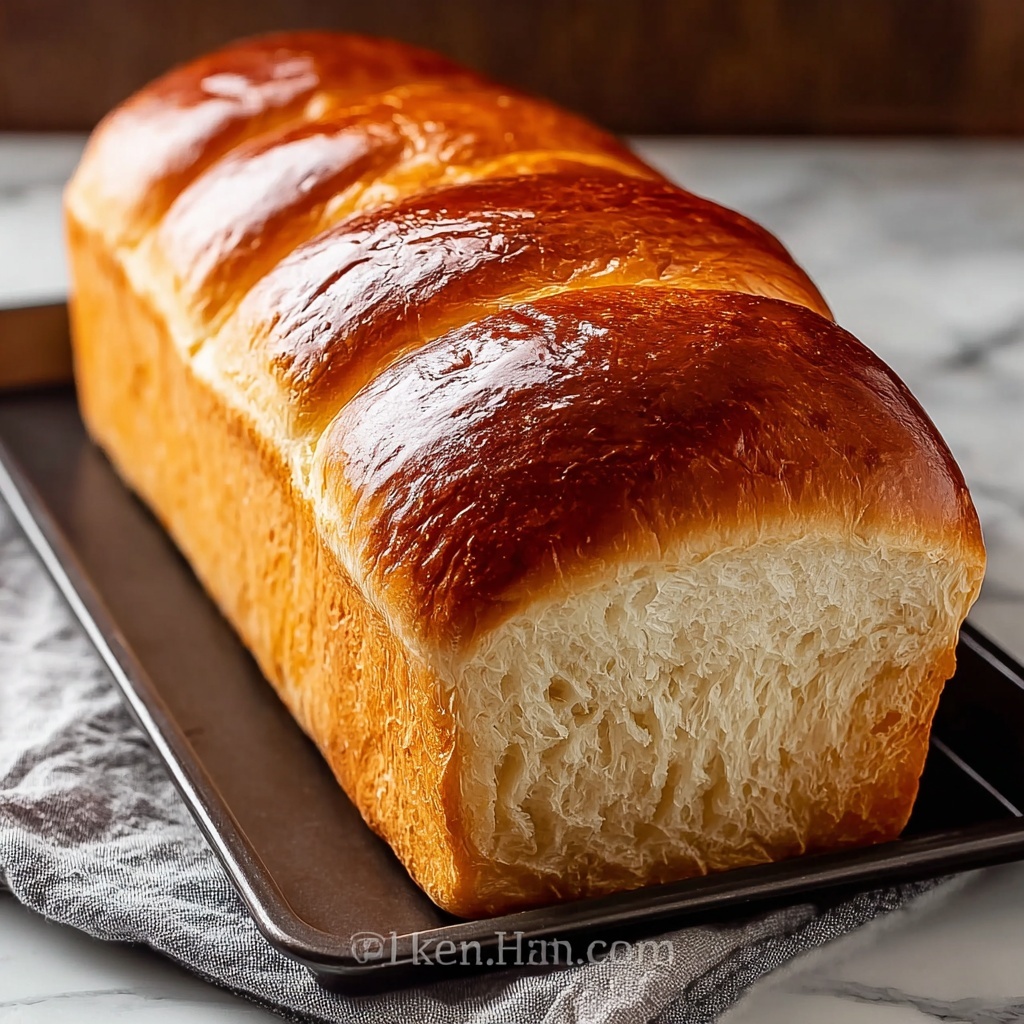
If you have been searching for that perfect bread to warm your kitchen and heart, look no further than this Soft and Irresistibly Delicious Amish White Bread Recipe. This humble loaf combines a tender crumb, a slightly sweet aroma, and a golden crust that will have you slicing before it’s even fully cooled. The magic lies in its simple ingredients and time-honored method, delivering a bread so soft and inviting that it quickly becomes a family favorite. Whether toasted for breakfast or used for sandwiches, this Amish white bread promises comfort with every bite.
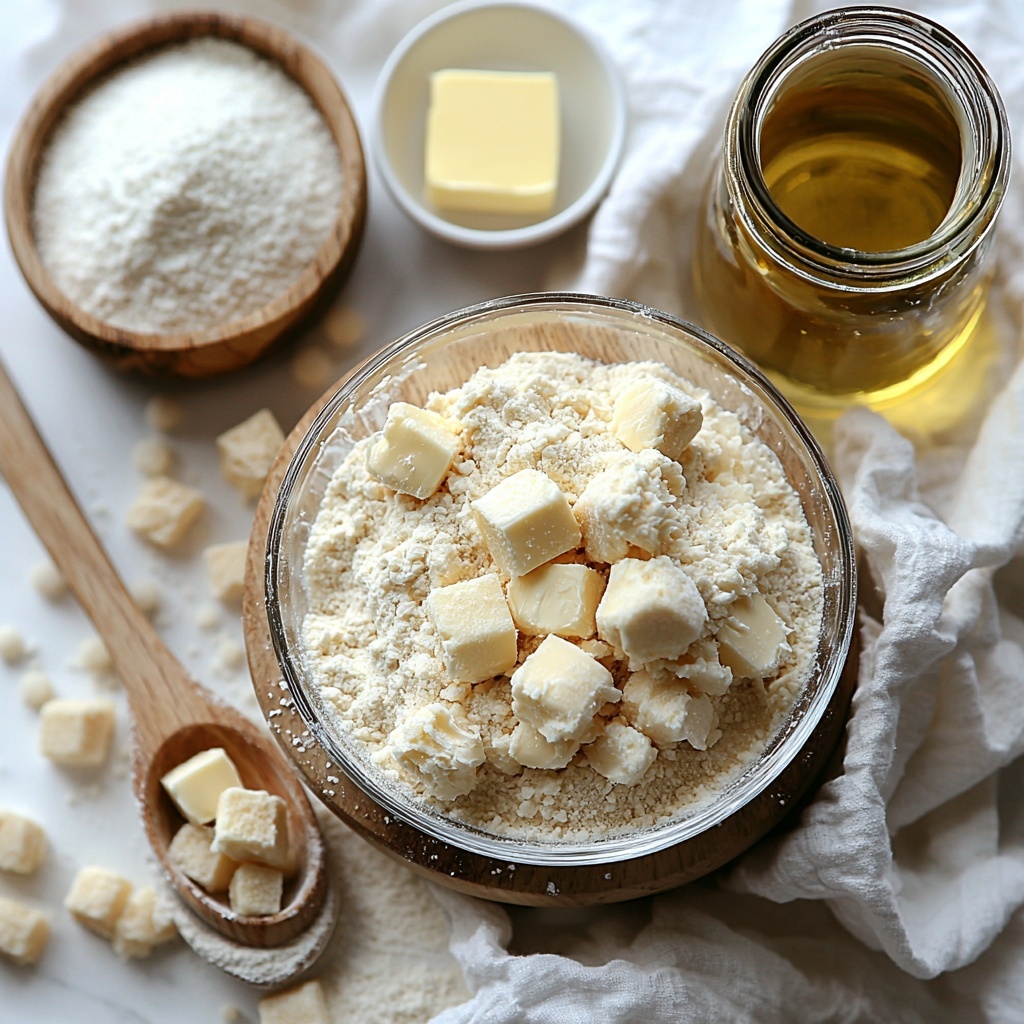
Ingredients You’ll Need
Getting the perfect loaf starts with a handful of basic but essential ingredients. Each plays a vital role in building not just flavor but also the tender texture and the lovely color that define this bread.
- 1 cup Warm Water (Around 110°F): Activates the yeast and helps achieve the perfect dough consistency.
- 2 tablespoons Granulated Sugar: Adds just the right sweetness and fuels yeast activity for a good rise.
- 2¼ teaspoons Active Dry Yeast: The crucial leavening agent that makes the bread rise beautifully.
- 2 tablespoons Vegetable Oil: Keeps the bread soft and moist with a lovely tenderness.
- 1 teaspoon Salt: Balances the sweetness and enhances the overall flavor.
- 4 to 4½ cups All-Purpose Flour: The foundation providing structure and that wonderfully soft crumb.
- 2 tablespoons Melted Butter: To brush on top, giving the loaf a rich, glossy finish and subtle buttery flavor.
How to Make Soft and Irresistibly Delicious Amish White Bread Recipe
Step 1: Activate and Proof the Yeast
Begin by combining warm water with granulated sugar in a large mixing bowl, creating a welcoming environment for your yeast. Sprinkle the active dry yeast over the surface and allow it to sit undisturbed until the mixture becomes frothy and bubbly—this signals that your yeast is alive and ready to work its magic.
Step 2: Form the Dough
Once the yeast is frothy, stir in vegetable oil and salt, giving your dough flavor and softness. Gradually add the all-purpose flour, mixing as you go, until a soft dough forms that’s slightly sticky but manageable. This gradual process ensures your loaf won’t be tough or dry.
Step 3: Knead to Perfection
Flour your countertop lightly and transfer the dough to it. Knead with your hands for about 6 to 8 minutes—this step develops the gluten and gives your bread its chewy, elastic texture. Aim for a dough that feels smooth and springs back when poked.
Step 4: First Rise
Shape your dough into a neat ball and place it into a lightly oiled bowl. Cover the bowl with a towel and leave it in a warm spot. Let the dough rise for 1 to 1½ hours until it doubles in size. This patient rise builds flavor and that soft texture you love in Amish white bread.
Step 5: Shape and Second Rise
After the dough has risen, punch it down gently to release air bubbles. Divide the dough into two equal parts and shape each into a loaf. Place the loaves into greased bread pans, then cover and let rise again for 30 to 45 minutes until the dough crowns above the edges of the pans.
Step 6: Bake to Golden Perfection
Preheat your oven to 350°F. Bake the loaves for 30 to 35 minutes, keeping an eye out for a beautiful golden brown color. You’ll know they’re done when the crust sounds hollow when tapped. This warm, crusty exterior encases the soft, tender crumb inside.
Step 7: Cool and Finish
Once baked, remove the pans from the oven and let the bread cool inside for 10 minutes to firm up. Then transfer the loaves to a wire rack. Brush with melted butter to add a delightful sheen and buttery flavor that completes the Soft and Irresistibly Delicious Amish White Bread Recipe.
How to Serve Soft and Irresistibly Delicious Amish White Bread Recipe
Garnishes
Although this bread shines all on its own, a light brush of melted butter or a sprinkle of flaky sea salt right before serving can elevate its flavor even more. For added charm, try slathering on a homemade jam or honey for a touch of sweet contrast.
Side Dishes
This Amish white bread pairs perfectly with hearty soups, fresh salads, or a plate of creamy cheeses. It’s also a fantastic companion to breakfast staples like scrambled eggs and bacon. The softness of the bread contrasts beautifully with robust or creamy sides, making your meal feel complete.
Creative Ways to Present
For a fun twist, use this bread for French toast or bread pudding to introduce its delightful softness in a new format. You can also cut it into small cubes, toast them lightly, and use as croutons to add a tender crunch to your salads or soups.
Make Ahead and Storage
Storing Leftovers
Your Soft and Irresistibly Delicious Amish White Bread Recipe keeps beautifully when stored at room temperature in a bread box or airtight container. This will retain its moistness for up to three days, making it perfect to enjoy throughout the week.
Freezing
If you want to savor this bread later, slice it first and place the slices in a freezer-safe bag, separating with parchment paper if you like. Frozen properly, the bread can last up to three months without sacrificing texture or flavor.
Reheating
To bring back that fresh-baked softness, simply toast the slices or warm whole loaves wrapped in foil at 325°F for 10–15 minutes. A light brush of butter after warming will restore the bread’s rich and inviting character.
FAQs
Can I use bread flour instead of all-purpose flour in this recipe?
Yes, bread flour can be used and will result in a slightly chewier texture due to its higher protein content. If you prefer a softer crumb, stick with all-purpose flour as called for in the Soft and Irresistibly Delicious Amish White Bread Recipe.
What if my dough isn’t rising?
First, check that your water is not too hot or too cold, ideally around 110°F. Also, make sure your yeast is fresh and active. If your dough still doesn’t rise, try proofing your yeast again with fresh ingredients or find a warmer spot for rising, like inside an oven with the light on.
Can I make this bread without vegetable oil?
Vegetable oil helps keep the bread moist, but you can substitute with melted butter or another neutral oil if needed. The flavor might shift slightly, but the Soft and Irresistibly Delicious Amish White Bread Recipe will still come out wonderful.
How do I know when the bread is fully baked?
Besides the golden brown crust, tapping the bottom of the loaf should produce a hollow sound. You can also check the internal temperature with a thermometer; it should read about 190°F for fully baked bread.
Is it necessary to knead the dough by hand?
Hand kneading is a wonderful way to connect with the dough and control its texture, but you can use a stand mixer with a dough hook for convenience. Just make sure to knead until the dough is smooth and elastic for best results.
Final Thoughts
This Soft and Irresistibly Delicious Amish White Bread Recipe is more than just a loaf; it’s an invitation to slow down and enjoy the simple pleasures of homemade baking. Once you taste its tender crumb and buttery crust, you’ll find it hard to go back to store-bought bread. Give it a try and watch your kitchen fill with warmth and the irresistible scent of freshly baked goodness.
Print
Soft and Irresistibly Delicious Amish White Bread Recipe
- Prep Time: 20 minutes
- Cook Time: 35 minutes
- Total Time: 2 hours 35 minutes
- Yield: 16 servings (2 loaves)
- Category: Bread
- Method: Baking
- Cuisine: American
Description
This Soft and Irresistibly Delicious Amish White Bread recipe yields tender, moist loaves with a slightly sweet flavor and a golden crust. Perfect for sandwiches or toast, this classic homemade bread is made with simple ingredients and requires basic baking techniques, resulting in a reliably soft texture and rich aroma. The bread is easy to prepare, with a yeast-based dough that’s kneaded, allowed to rise twice, then baked to perfection.
Ingredients
Wet Ingredients
- 1 cup Warm Water (Around 110°F)
- 2 tablespoons Vegetable Oil
- 2 tablespoons Melted Butter (for brushing)
Dry Ingredients
- 2 tablespoons Granulated Sugar
- 2¼ teaspoons Active Dry Yeast
- 1 teaspoon Salt
- 4–4½ cups All-Purpose Flour
Instructions
- Activate Yeast: In a large mixing bowl, combine the warm water and granulated sugar. Sprinkle the active dry yeast over the surface and let it sit for about 5-10 minutes until it becomes frothy, indicating that the yeast is active.
- Mix Dough: Stir in the vegetable oil and salt into the yeast mixture. Gradually add the all-purpose flour, starting with 4 cups and adding more as needed, stirring until a soft dough forms that is slightly sticky but manageable.
- Knead Dough: Transfer the dough onto a floured surface and knead it for 6 to 8 minutes until it becomes smooth and elastic, developing the gluten for structure.
- First Rise: Shape the dough into a ball and place it in a lightly oiled large bowl. Cover it with a clean towel and let it rise in a warm place for 1 to 1.5 hours, or until the dough doubles in size.
- Punch Down and Shape: Once risen, gently punch down the dough to release excess air. Divide it into two equal parts and shape each into a loaf.
- Second Rise: Place each loaf into greased loaf pans. Cover the pans with a towel and let the dough rise again for 30 to 45 minutes, until the tops crown above the edges of the pans.
- Bake: Preheat your oven to 350°F (175°C). Bake the loaves for 30 to 35 minutes until they turn golden brown and sound hollow when tapped on the bottom.
- Cool and Finish: Remove the bread from the oven and let it cool in the pans for 10 minutes. Then, transfer the loaves to a wire rack and brush the tops with melted butter for a soft, flavorful crust. Allow to cool completely before slicing.
Notes
- Ensure the water is warm but not hot to avoid killing the yeast.
- Use a light hand when adding flour—too much can make the bread dense.
- The first and second rises are crucial for a light and fluffy texture.
- Brushing the baked bread with melted butter gives a soft crust and enhances flavor.
- Store bread in an airtight container or bread box to maintain freshness for several days.
- This recipe makes two loaves, perfect for sharing or freezing one loaf for later.