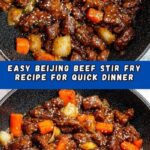
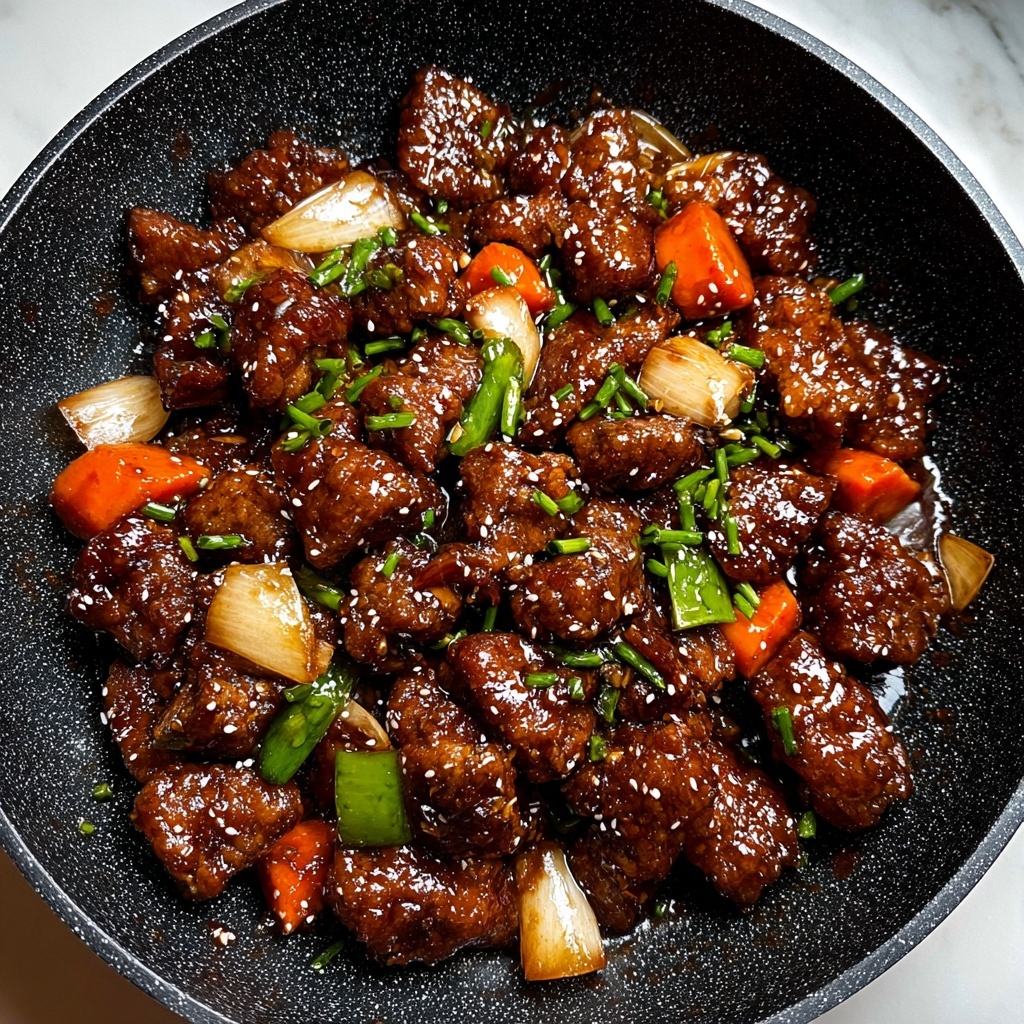
If you are craving a dish that perfectly balances crispy bites of tender meat with a sweet and tangy sauce, look no further than this incredible Beijing Beef Recipe. It’s a vibrant feast for the senses, combining fresh vegetables, a punchy ginger aroma, and a rich sauce that clings to every morsel. This is no ordinary stir-fry; it’s comfort food with a flair that feels both familiar and exciting, ideal for a weeknight dinner or impressing guests with minimal fuss.
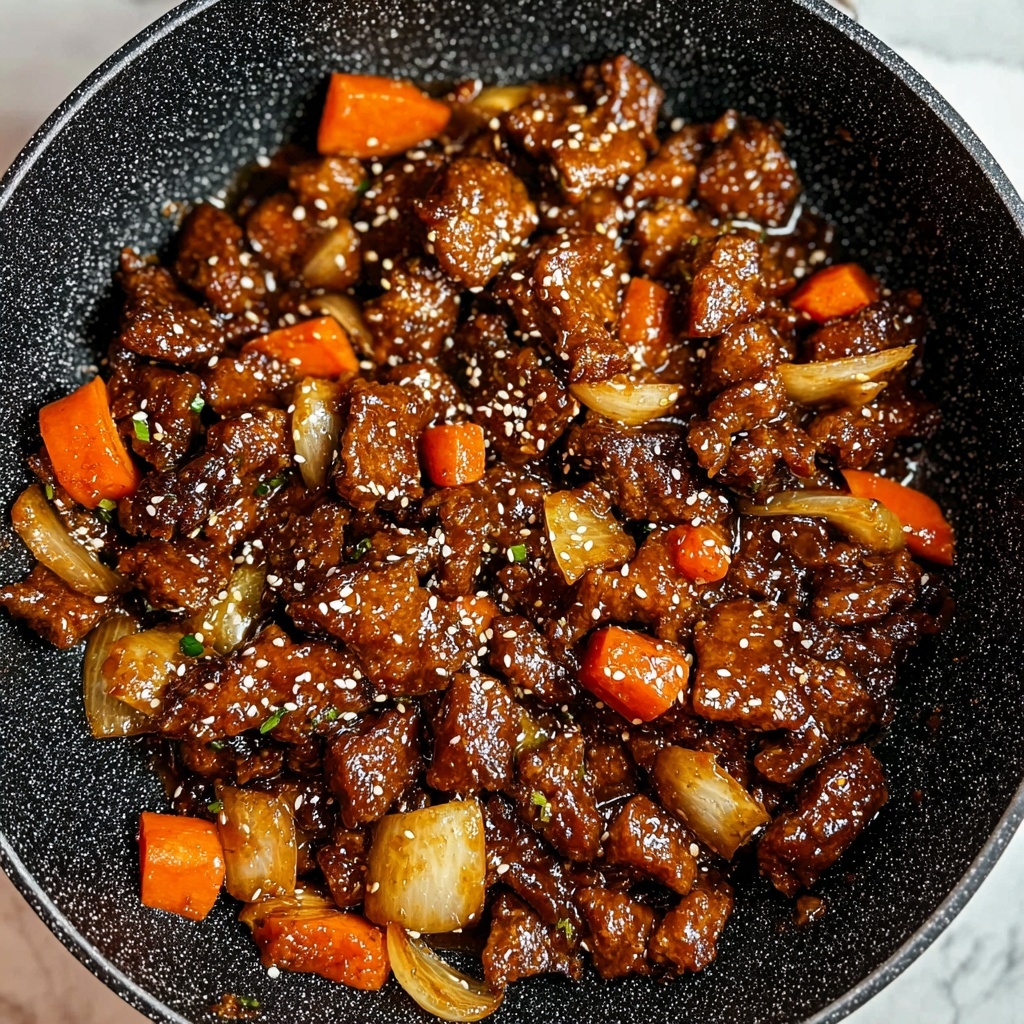
Ingredients You’ll Need
It’s amazing how just a handful of simple but essential ingredients come together to create the magic in this Beijing Beef Recipe. Each ingredient plays its part, adding layers of flavor, texture, and color that make every bite unforgettable.
- Boneless, skinless chicken thighs: These provide juicy, tender pieces that stay moist even when stir-fried.
- Fresh ginger: Adds a zesty, aromatic kick that brightens the whole dish.
- Bell peppers (red or yellow): Bring vibrant color and a sweet crunch for balance.
- Medium onion: Gives a subtle sweetness and aroma when sautéed.
- Low-sodium soy sauce: Essential for the savory umami foundation without overwhelming saltiness.
- Granulated sugar: Delivers a gentle sweetness that harmonizes perfectly with the soy sauce.
- Cornstarch: Binds the sauce and creates that luscious, thick texture that coats the chicken beautifully.
- Low-sodium chicken broth: Helps form the flavorful sauce and adds depth.
How to Make Beijing Beef Recipe
Step 1: Prep Your Ingredients
Start by chopping the chicken into bite-sized pieces, so they cook evenly and quickly. Dice the bell peppers and thinly slice the onion to ensure they integrate perfectly, adding texture and freshness to the dish.
Step 2: Marinate the Chicken
In a bowl, you’ll combine the soy sauce, sugar, and cornstarch, then add in the chicken pieces plus the finely chopped ginger. This marinade not only tenderizes the meat but also infuses it with that essential sweet and savory flavor. Let it rest for at least 15 minutes to really soak up the goodness.
Step 3: Sauté the Vegetables
Heat oil in a large skillet over medium-high heat and cook the onions first until they turn translucent—about 3 minutes. This step releases their natural sweetness. Then toss in the bell peppers, allowing them to soften just a bit while keeping their vivid color and light crunch intact.
Step 4: Cook the Chicken
Add the marinated chicken to the skillet with the vegetables and stir-fry everything together until the chicken is cooked through, which usually takes around 5 to 7 minutes. Make sure the sauce begins to cling to every piece as it cooks for maximum flavor.
Step 5: Thicken the Sauce
Pour the chicken broth into the skillet and let it simmer for about 2 minutes. During this time, the sauce will thicken into a sticky, glossy coating that ties the entire Beijing Beef Recipe together in a delicious, mouthwatering way.
Step 6: Serve It Up
Once the sauce has thickened and everything is piping hot, it’s time to transfer the Beijing Beef to your serving dish. This dish is fantastic served right away, ideally over fluffy white rice or tender noodles to soak up every drop of that flavorful sauce.
How to Serve Beijing Beef Recipe
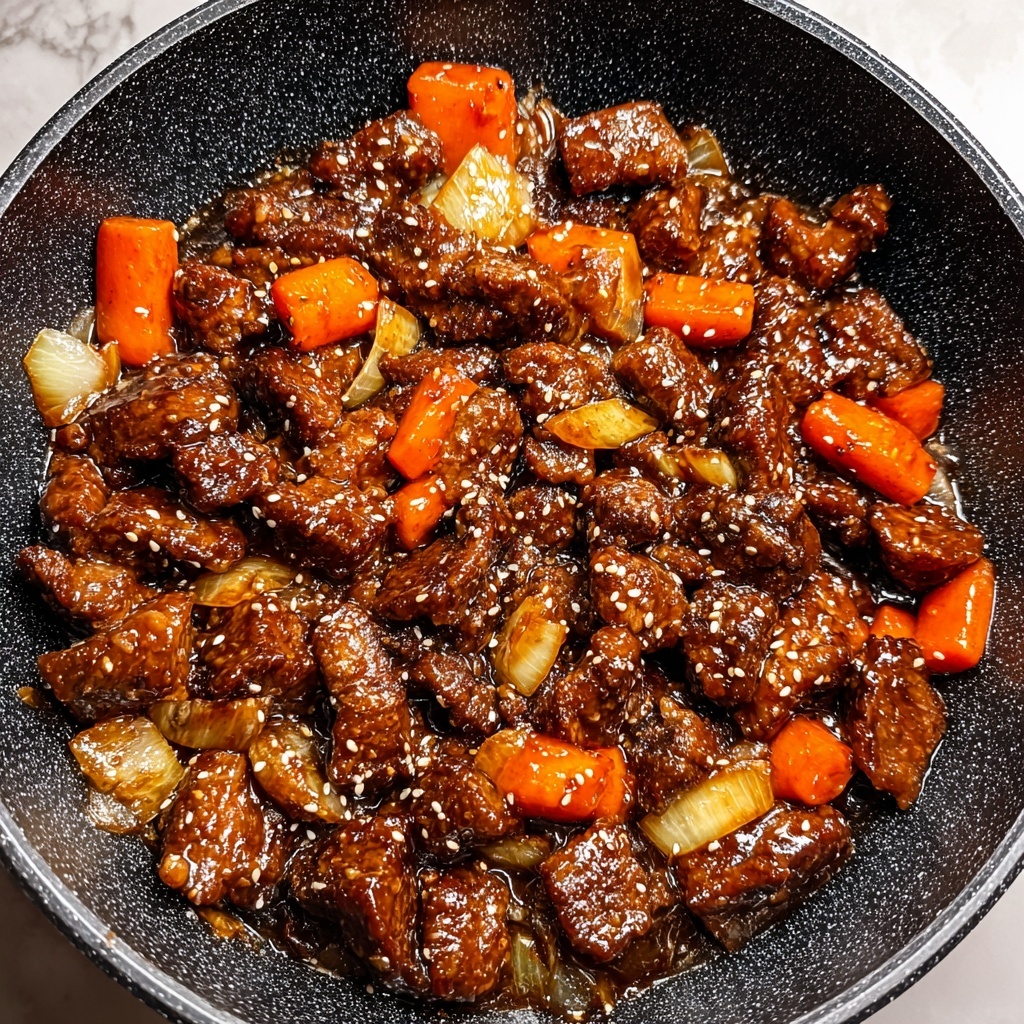
Garnishes
A quick scatter of chopped green onions or a sprinkle of toasted sesame seeds on top adds a fresh, nutty contrast and a pop of color that instantly elevates your Beijing Beef Recipe.
Side Dishes
This dish pairs beautifully with simple sides like steamed jasmine rice or stir-fried noodles, which absorb the sauce generously. You could also serve a crunchy Asian-style slaw for a refreshing bite alongside.
Creative Ways to Present
For a fun twist, try serving Beijing Beef Recipe lettuce wraps. Use crisp iceberg or butter lettuce leaves as little cups filled with the warm chicken and veggies—hands-on eating that’s perfect for gatherings or a casual meal.
Make Ahead and Storage
Storing Leftovers
Leftover Beijing Beef should be cooled completely before storing in an airtight container in the refrigerator. It’s best eaten within 2 to 3 days to enjoy the flavors at their peak.
Freezing
This recipe freezes well if you want to save portions for a quick meal later on. Transfer cooled Beijing Beef into freezer-safe containers and freeze for up to 3 months. Thaw overnight in the fridge before reheating.
Reheating
Reheat Beijing Beef gently in a skillet over medium heat, stirring frequently until warmed through. Adding a splash of water or broth can help loosen the sauce if it thickened too much in the fridge.
FAQs
Can I use beef instead of chicken?
Absolutely! Though this Beijing Beef Recipe uses chicken thighs for tenderness, swapping in thinly sliced beef strips works wonderfully and gives a more traditional flavor experience.
Is this dish spicy?
The recipe as written is mild, emphasizing sweet and savory flavors. If you like heat, you can easily add some crushed red pepper flakes or fresh chili slices when cooking.
What kind of soy sauce is best?
Low-sodium soy sauce is recommended to control saltiness and let the other flavors shine. However, regular soy sauce can be used if that’s what you have on hand.
Can I make this recipe vegetarian?
While the original Beijing Beef Recipe centers on meat, you can substitute firm tofu or tempeh and vegetable broth to create a satisfying vegetarian version.
How thick should the sauce be?
The sauce should be glossy and thick enough to coat the back of a spoon, clinging easily to the chicken and vegetables without being too runny or gloopy.
Final Thoughts
There is something so comforting and exciting about a great Beijing Beef Recipe that just hits the spot every single time. With its perfect blend of sweet, savory, and a hint of zing from fresh ginger, it’s bound to become one of your go-to dishes. Give it a try, whip it up quickly, and enjoy the delicious warmth with people you love.
Print
Beijing Beef Recipe
- Prep Time: 20 minutes
- Cook Time: 15 minutes
- Total Time: 35 minutes
- Yield: 4 servings
- Category: Main Course
- Method: Stovetop
- Cuisine: Chinese
- Diet: Low Salt
Description
This Beijing Beef-inspired recipe features tender boneless, skinless chicken thighs marinated in a savory soy sauce mixture with fresh ginger. Stir-fried with bell peppers and onions, then simmered in a flavorful chicken broth sauce, this quick and easy dish serves as a delicious main course perfect for pairing with rice or noodles.
Ingredients
Protein
- 1 lb boneless, skinless chicken thighs, cut into bite-sized pieces
Vegetables
- 1 thumb-sized piece fresh ginger, finely chopped
- 1 cup bell peppers (red or yellow), diced
- 1 medium onion, thinly sliced
Sauce and Marinade
- 3 tbsp low-sodium soy sauce
- 2 tbsp granulated sugar
- 1 tbsp cornstarch
- ½ cup low-sodium chicken broth
Other
- Oil for sautéing (amount not specified, approx. 1-2 tbsp)
Instructions
- Prepare Ingredients: Chop the chicken into bite-sized pieces, dice the bell peppers, and thinly slice the onion to get all your vegetables and meat ready for cooking.
- Marinate the Chicken: In a bowl, mix soy sauce, granulated sugar, and cornstarch. Add the chicken pieces along with the finely chopped fresh ginger, stirring to coat evenly. Let this mixture marinate for at least 15 minutes to allow flavors to meld.
- Sauté Onions and Bell Peppers: Heat oil in a large skillet over medium-high heat. Add the thinly sliced onions and sauté until they become translucent, about 3 minutes. Add the diced bell peppers and cook until they are slightly softened, maintaining some crispness.
- Cook the Chicken: Add the marinated chicken pieces to the skillet. Stir-fry them with the vegetables, cooking for 5 to 7 minutes or until the chicken is cooked through and lightly browned.
- Finish with Sauce: Pour in the low-sodium chicken broth and stir everything together. Let the mixture simmer until the sauce thickens, about 2 minutes, coating the chicken and vegetables evenly.
- Serve: Remove from heat and serve the Beijing Beef style chicken hot over steamed rice or noodles for a satisfying meal.
Notes
- Use low-sodium soy sauce and chicken broth to control salt levels.
- Adjust sugar to taste if you prefer a sweeter or less sweet sauce.
- For a vegetarian version, substitute chicken with firm tofu or seitan and use vegetable broth.
- Ensure chicken is fully cooked to an internal temperature of 165°F (74°C) for food safety.
- Serve immediately for best texture and flavor.