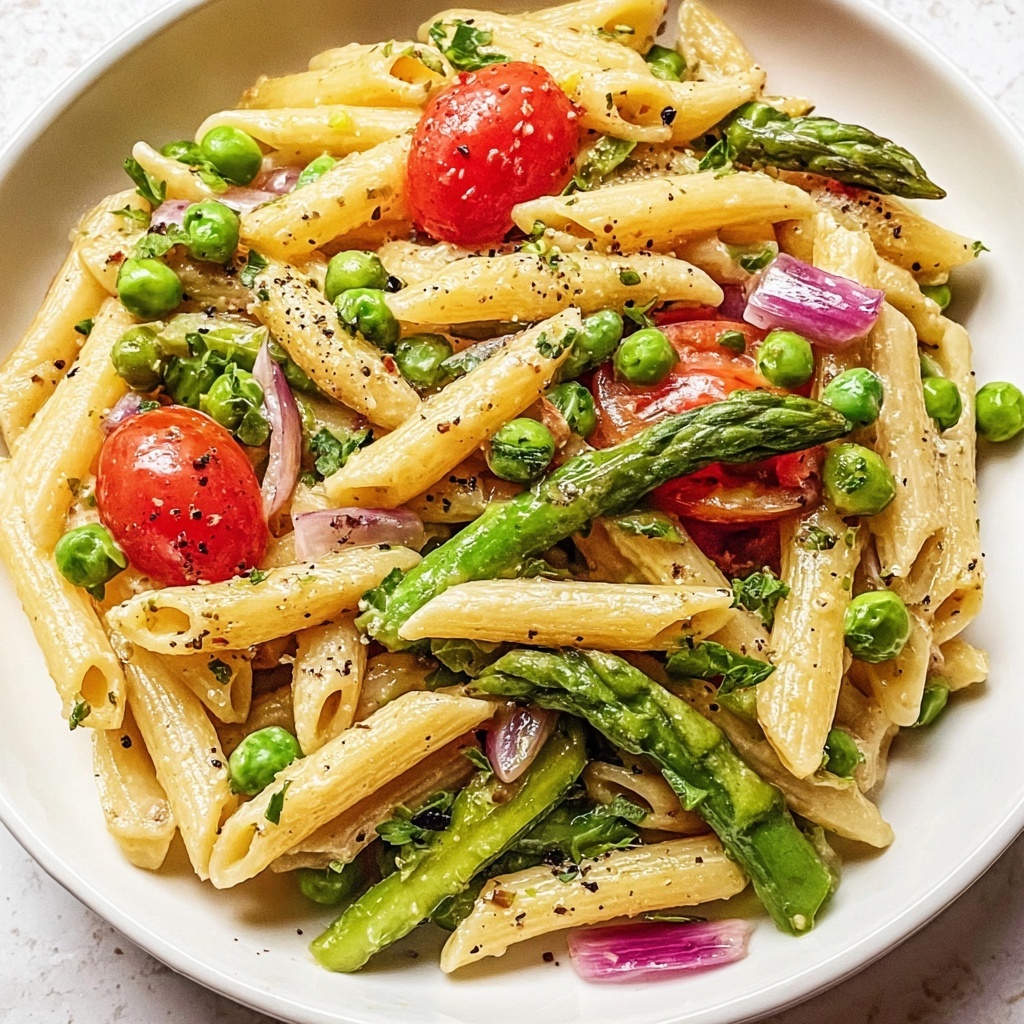
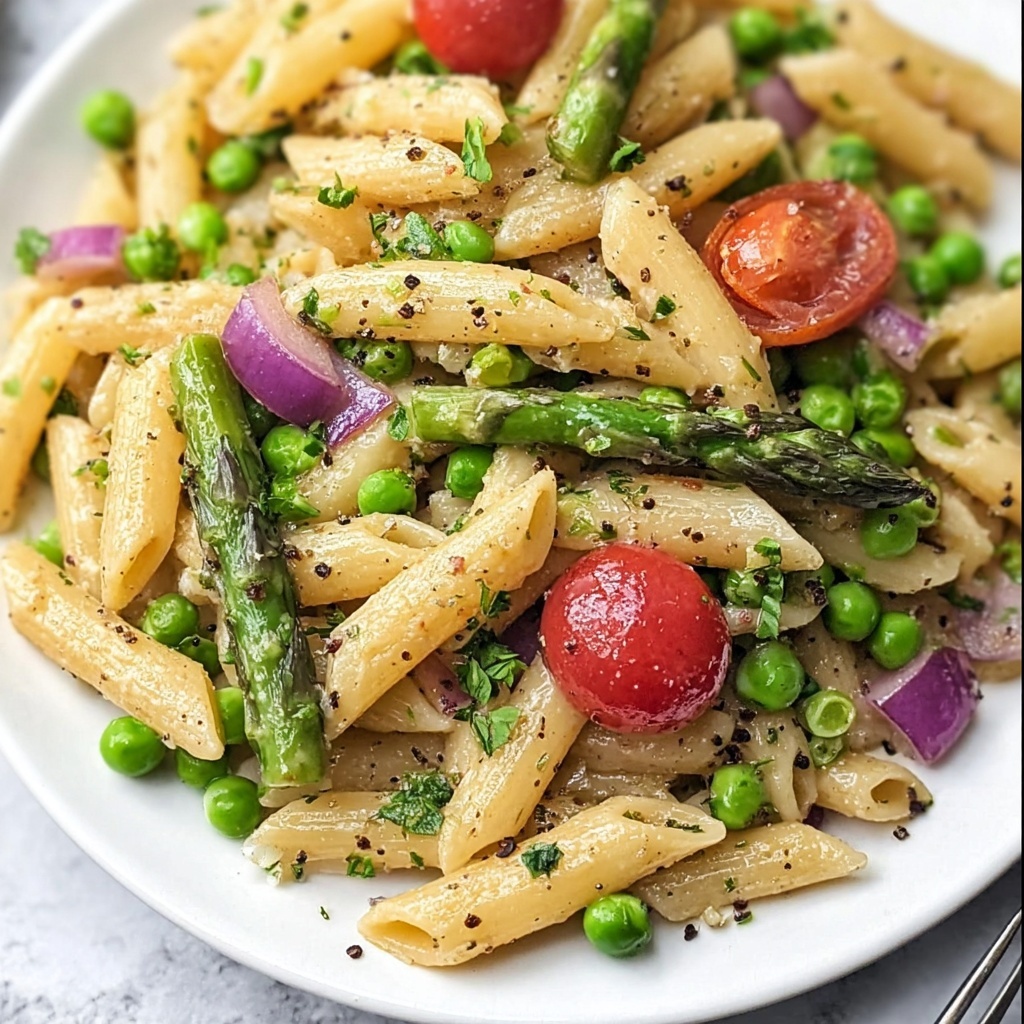
If you have a hankering for a dish that’s bursting with fresh flavors, colorful veggies, and comforting pasta, then you absolutely must try this Pasta Primavera Recipe. It’s a perfect harmony of tender penne pasta mingling with crisp asparagus, sweet peas, juicy tomatoes, and artichokes, all tossed in a zesty lemon and garlic olive oil sauce, finished with a generous sprinkle of Parmesan and bright parsley. This recipe brings garden freshness straight to your plate and makes every bite a celebration of springtime goodness, no matter the season.
Ingredients You’ll Need
Ingredients You’ll Need
This Pasta Primavera Recipe shines because of its simple yet thoughtfully chosen ingredients. Each one plays its part to bring texture, brightness, and richness, creating a dish that’s both vibrant and deeply satisfying.
- 1 pound penne pasta: A sturdy pasta shape that holds sauce and veggies beautifully.
- 4 tablespoons extra virgin olive oil, divided: Adds richness and a silky coating to every ingredient.
- 1/2 red onion, thinly sliced: Provides a mild sweetness and a hint of crunch.
- 1 cup asparagus, trimmed and cut into 2-inch pieces: Delivers a crisp texture and fresh green flavor.
- 1 cup frozen peas: Sweet little bursts of color and flavor, easy to keep on hand.
- 1 cup cherry or grape tomatoes, halved: Juicy pops of acidity and color that brighten the dish.
- 1 cup artichoke hearts: Offers a subtle, earthy tang and tender bite.
- 6 to 8 teaspoons minced garlic (about 6 to 8 cloves): The aromatic backbone, infusing warmth and depth.
- 3 tablespoons lemon juice: Adds vibrant acidity that lifts all the flavors.
- 1/2 cup freshly grated Parmesan cheese: Brings salty, nutty goodness to the pasta.
- Salt and pepper to taste: Essential for seasoning and balance.
- 3 tablespoons minced fresh parsley for garnish: A fresh, herbaceous finish that brightens every bite.
How to Make Pasta Primavera Recipe
Step 1: Cook the Pasta
Begin by bringing a large pot of salted water to a boil and cook 1 pound of penne pasta according to the package instructions until al dente. This gives you a firm yet tender bite, perfect for clinging to the fresh vegetable medley. Once cooked, drain the pasta and set it aside while you prepare the flavorful veggies.
Step 2: Sauté the Onions and Asparagus
In a large skillet, heat 2 tablespoons of extra virgin olive oil over medium-high heat. Add your thinly sliced red onions and asparagus pieces. Sauté them together for about 5 to 7 minutes until the asparagus softens slightly but retains a delightful, crisp texture. This step releases the natural sweetness of the onion and tenderizes the asparagus without losing its vibrant green color.
Step 3: Add More Veggies
Next, toss in the frozen peas, halved cherry tomatoes, and artichoke hearts to the skillet. Stir them gently and cook for 1 to 2 minutes more, just until everything is heated through. This quick cooking preserves the sweetness and slight crunch of the peas and tomatoes, while the artichoke hearts add this wonderful, subtle tang that complements the rest beautifully.
Step 4: Flavor with Garlic
Now stir in the minced garlic—6 to 8 teaspoons depending on how garlicky you like your pasta. Cook for an additional minute, letting the garlic release its fragrant oils into the olive oil, infusing every bite with a mild sharpness and warmth. Then, take the skillet off the heat to avoid burning the garlic, which can turn bitter.
Step 5: Combine Pasta and Sauce
Return to the cooked pasta, adding it directly into your skillet with the sautéed vegetables. Drizzle the remaining 2 tablespoons of olive oil over everything, followed by the refreshing lemon juice and freshly grated Parmesan cheese. Toss everything together thoroughly until the Parmesan melts into a light, cheesy coating and the lemon juice binds the flavors with bright freshness. Season with salt and pepper to your liking; this step really brings the dish together.
Step 6: Garnish and Serve
Finally, sprinkle 3 tablespoons of minced fresh parsley over the pasta for an herbaceous pop of color and flavor. Give one last gentle toss, then serve the pasta hot. This finishing touch not only adds a stunning green hue but also heightens the aromatic experience of this lively Pasta Primavera Recipe.
How to Serve Pasta Primavera Recipe
Garnishes
Fresh parsley is the perfect garnish to finish this dish, giving a burst of herbal brightness. If you want to get creative, a sprinkle of extra Parmesan or a light drizzle of high-quality olive oil can elevate the presentation and flavor. For a bit of heat, a pinch of red pepper flakes adds a subtle kick that contrasts wonderfully with the fresh veggies.
Side Dishes
This dish is versatile and pairs beautifully with a crisp green salad dressed in a citrus vinaigrette or some crusty garlic bread to soak up any leftover sauce. For a more substantial meal, grilled chicken or shrimp on the side complements the fresh and light nature of the Primavera without overpowering it.
Creative Ways to Present
For an inviting presentation, serve this pasta in a large shallow bowl to showcase the colorful vegetables. You might also consider layering the pasta in clear glass baking dishes for a potluck or casual party, where the vibrant layers become a feast for the eyes as well as the palate. Individual servings topped with a sprig of parsley or a lemon wedge add a thoughtful touch to each plate.
Make Ahead and Storage
Storing Leftovers
Leftover Pasta Primavera keeps well when stored in an airtight container in the refrigerator for up to 3 days. The flavors might meld further, giving you an even tastier next-day meal, though the vegetables can soften a bit more, so it’s best enjoyed within this timeframe for the best texture.
Freezing
Because of the fresh vegetables and the Parmesan cheese, freezing this dish isn’t recommended as the texture and flavor could change negatively upon thawing. It’s best to enjoy this recipe fresh or refrigerated for a few days after cooking.
Reheating
When reheating, do so gently in a skillet over medium heat, adding a splash of water or olive oil to keep the pasta from drying out. Microwaving is okay but can sometimes make the veggies mushy, so reheating on the stovetop ensures the best texture retention and a fresh-tasting finish.
FAQs
Can I use other types of pasta for this recipe?
Absolutely! While penne is recommended for its shape that holds the sauce well, you can swap in farfalle, fusilli, or even spaghetti based on your preference. Just make sure to follow the package instructions for cooking times.
Is this recipe suitable for a vegetarian diet?
Yes, this Pasta Primavera Recipe is naturally vegetarian and can easily be vegan if you omit the Parmesan or use a plant-based cheese alternative. The mix of vegetables and olive oil provides plenty of flavor without needing meat.
Can I add protein to make this a heartier dish?
Definitely! Grilled chicken, sautéed shrimp, or even crispy tofu cubes work wonderfully and complement the fresh vegetable flavors without overpowering them.
What if I don’t have artichoke hearts?
You can substitute with more asparagus, zucchini, or bell peppers. The artichoke hearts add a unique tangy note, but the recipe remains delicious with other vegetables you enjoy.
Is it okay to use fresh peas instead of frozen?
Fresh peas are fantastic if in season and will add a lovely sweetness and bright color, but frozen peas are just as convenient and taste great during off-season months, making the recipe accessible year-round.
Final Thoughts
There is something truly special about a Pasta Primavera Recipe that highlights fresh, seasonal vegetables with simple yet magnificent flavors. It’s a dish that invites you to savor every bite while feeling good about what you’re eating. Whether you’re cooking for a family dinner or a casual gathering with friends, this recipe promises to brighten your table and warm your heart. So go ahead and give it a try—you’ll be delighted with how effortlessly fresh and satisfying it is!
Print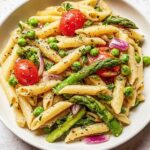
Pasta Primavera Recipe
- Prep Time: 10 minutes
- Cook Time: 10 minutes
- Total Time: 20 minutes
- Yield: 6 servings
- Category: Main Course
- Method: Stovetop
- Cuisine: Italian
- Diet: Vegetarian
Description
This vibrant Pasta Primavera recipe showcases a delightful medley of fresh vegetables sautéed to tender-crisp perfection and tossed with al dente penne pasta, olive oil, lemon juice, and Parmesan cheese. It’s a quick, flavorful dish ideal for a light, satisfying meal any day of the week.
Ingredients
Pasta
- 1 pound penne pasta
Vegetables and Aromatics
- 1/2 red onion, thinly sliced
- 1 cup asparagus, trimmed and cut into 2-inch pieces
- 1 cup frozen peas
- 1 cup cherry or grape tomatoes, halved
- 1 cup artichoke hearts
- 6 to 8 teaspoons minced garlic (about 6 to 8 cloves)
Seasonings and Garnishes
- 4 tablespoons extra virgin olive oil, divided
- 3 tablespoons lemon juice
- 1/2 cup freshly grated Parmesan cheese
- Salt and pepper to taste
- 3 tablespoons minced fresh parsley for garnish
Instructions
- Cook the Pasta: Cook 1 pound penne pasta according to package directions until al dente. Drain the pasta and set it aside for later use.
- Sauté Onion and Asparagus: Heat 2 tablespoons of olive oil in a large skillet over medium-high heat. Add the thinly sliced 1/2 red onion and 1 cup asparagus pieces. Sauté for 5 to 7 minutes until the asparagus turns tender-crisp.
- Add Peas, Tomatoes, and Artichokes: Stir in 1 cup of frozen peas, 1 cup halved cherry or grape tomatoes, and 1 cup artichoke hearts. Continue to sauté for an additional 1 to 2 minutes until everything is heated through.
- Add Garlic: Incorporate 6 to 8 teaspoons minced garlic and cook for 1 more minute to infuse the flavors. Then remove the skillet from heat.
- Toss Pasta with Vegetables and Seasonings: Add the cooked penne pasta into the skillet. Toss everything together with the remaining 2 tablespoons of olive oil, 3 tablespoons lemon juice, and 1/2 cup freshly grated Parmesan cheese until the cheese melts and coats the pasta evenly. Season with salt and pepper to taste.
- Garnish and Serve: Serve the pasta hot, garnished with 3 tablespoons of freshly minced parsley for a burst of flavor and freshness.
Notes
- For a richer flavor, you can add a splash of white wine while sautéing the vegetables.
- Use fresh asparagus when in season for best texture and taste.
- Adjust garlic quantity based on your preference for garlic intensity.
- To make it vegan, omit the Parmesan or substitute with a plant-based cheese alternative.
- This dish pairs wonderfully with a crisp white wine or sparkling water with lemon.