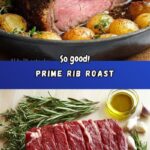
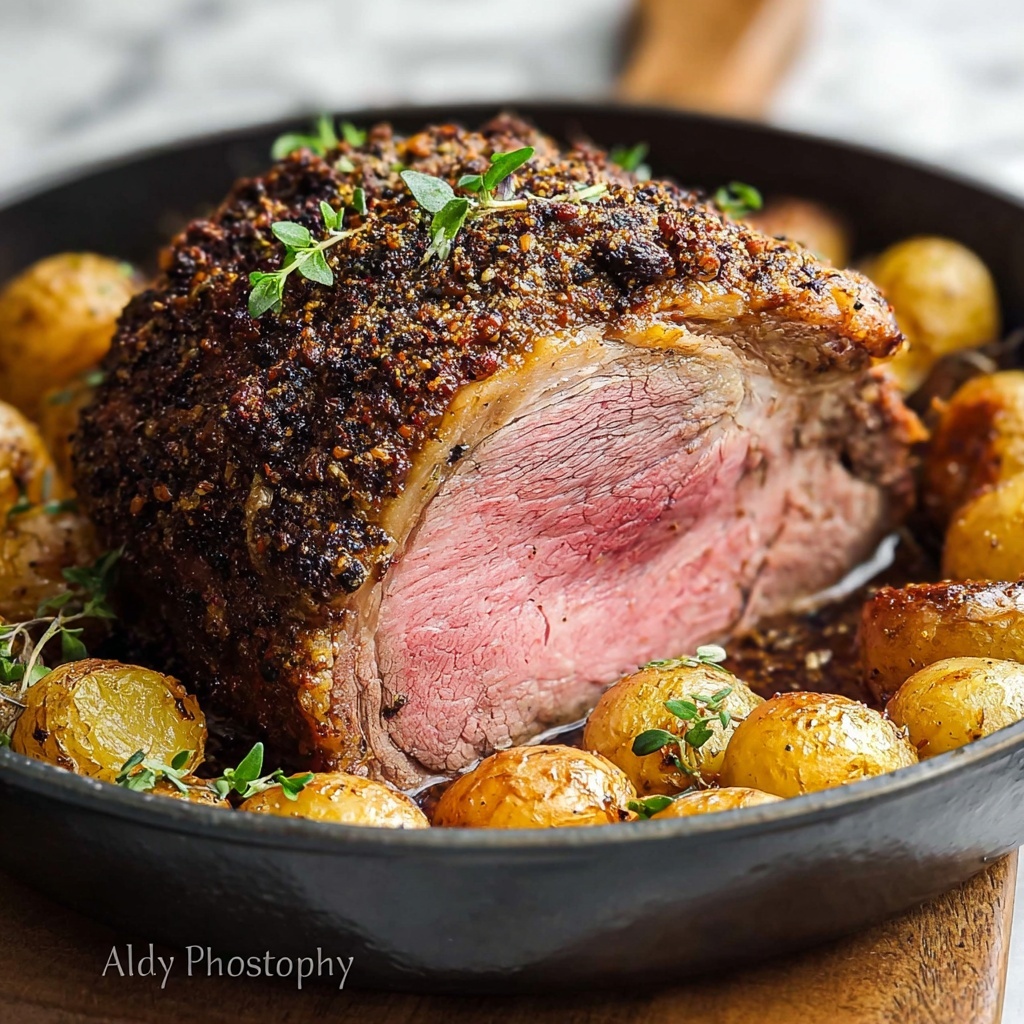
If you are craving a show-stopping centerpiece that brings rich flavor and tender juiciness to your dining table, this Prime Rib Recipe will become your new favorite. Perfectly roasted to achieve a beautifully browned crust and melt-in-your-mouth interior, this dish is a celebration of premium beef enhanced with fragrant herbs and garlic. Whether for a holiday feast or a special weekend gathering, the Prime Rib Recipe never fails to impress with its simple yet luxurious combination of ingredients and foolproof preparation steps.
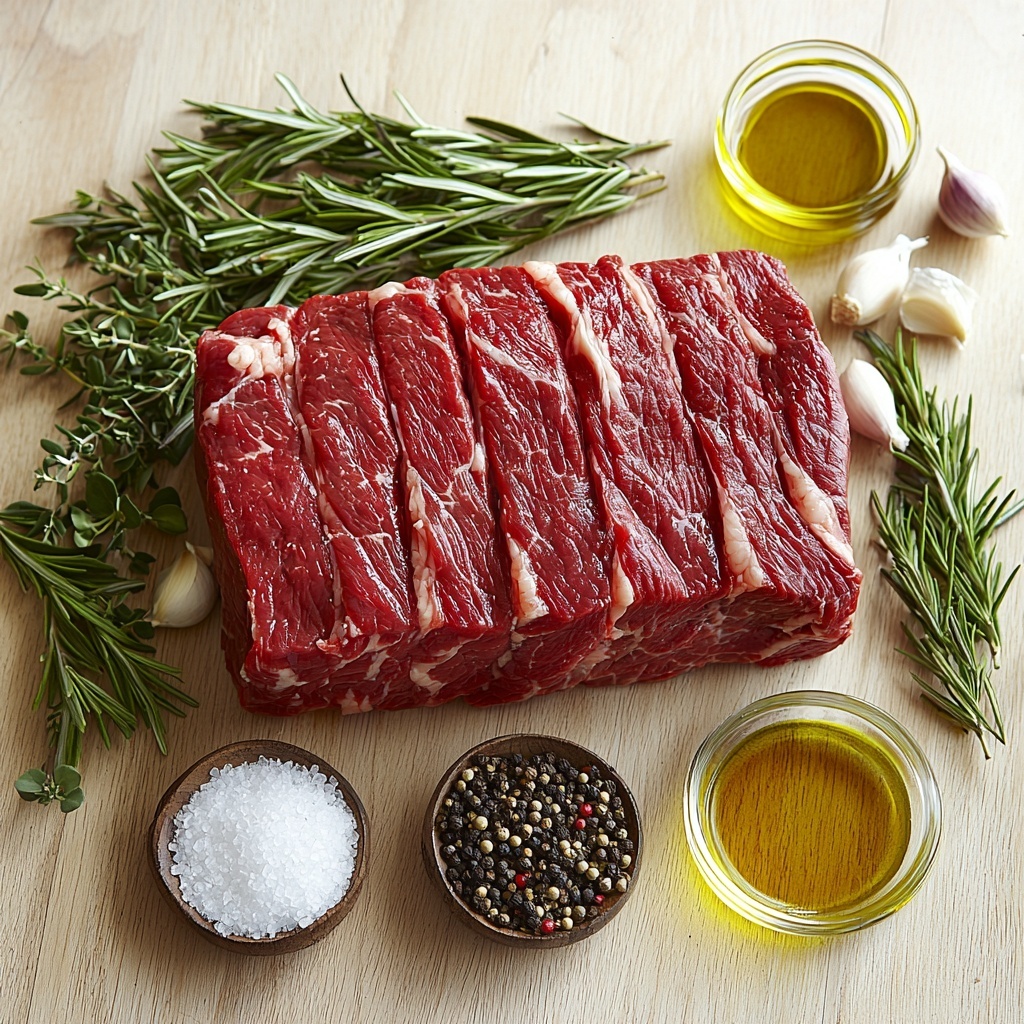
Ingredients You’ll Need
Gathering a handful of fresh, high-quality ingredients makes this Prime Rib Recipe both straightforward and delicious. Each ingredient plays a crucial role in building layers of flavor, texture, and aroma that elevate this classic roast.
- 5 pounds beef prime rib: The star of the dish, choose a well-marbled cut for juiciness and tenderness.
- Sea salt: Enhances the beef’s natural flavor while helping to create a savory crust.
- 2 teaspoons freshly ground black pepper: Adds a fresh, mild heat that balances the richness of the meat.
- 2 teaspoons fresh rosemary: This fragrant herb infuses the roast with earthy, piney notes.
- 1 teaspoon fresh thyme: Brings subtle floral complexity that complements the rosemary.
- 8 cloves garlic, minced: Offers a bold, aromatic punch that permeates deeply into the roast.
- 1/4 cup olive oil: Helps bind the seasoning to the meat and encourages an even, crispy crust.
How to Make Prime Rib Recipe
Step 1: Bring the Meat to Room Temperature
Start by removing your prime rib from the refrigerator an hour before cooking. This step ensures the roast cooks evenly, preventing the outer layers from overcooking while the inside reaches the perfect temperature. Generously sprinkle sea salt over the entire surface to draw out moisture and enhance flavor right from the start.
Step 2: Preheat Your Oven
Preheat your oven to a blazing 500 degrees Fahrenheit, and position the rack in the center. The initial high heat kick-starts the browning process, creating a beautifully caramelized and flavorful crust that’s irresistible.
Step 3: Prepare the Herb and Garlic Rub
In a bowl, mix together sea salt, freshly ground black pepper, chopped rosemary, thyme, minced garlic, and olive oil. This aromatic paste is what transforms the roast into a fragrant, savory masterpiece, so make sure all the flavors are well combined.
Step 4: Season the Roast
Pat your prime rib thoroughly dry with paper towels — this helps the rub stick better and the crust develop perfectly. Then, massage the herb and garlic mixture onto every inch of the meat; don’t shy away from pressing it into the surface for maximum flavor penetration.
Step 5: Roast the Prime Rib
Place your seasoned prime rib in a roasting pan and slide it into the hot oven. Roast at 500 degrees for 15 minutes to sear the outside, then lower the heat to 325 degrees. Continue cooking, allowing approximately 10 to 15 minutes per pound, depending on your desired doneness. Using a meat thermometer is a great way to monitor this precisely.
Step 6: Rest Before Carving
Once your prime rib is about 5 to 10 degrees shy of your target temperature, pull it from the oven. Tent it loosely with foil and let it rest for at least 30 minutes. Resting redistributes the juices, keeping every slice juicy and tender when you carve.
How to Serve Prime Rib Recipe
Garnishes
Fresh herbs like rosemary sprigs or thyme add a pop of green and a lovely aroma when placed on or around the sliced roast. A light sprinkle of flaky sea salt just before serving also enhances texture and flavor contrast.
Side Dishes
Prime rib pairs beautifully with classic sides such as creamy horseradish sauce, roasted garlic mashed potatoes, and buttered green beans. These complement its rich flavor perfectly while adding variety in texture and color to your plate.
Creative Ways to Present
For an elegant touch, arrange thin slices of prime rib on a large platter lined with fresh greens, with small bowls of au jus and horseradish sauce for dipping. You can also serve it as steak sandwiches using crusty rolls and caramelized onions for a delicious twist on leftovers.
Make Ahead and Storage
Storing Leftovers
After enjoying your feast, wrap any leftover prime rib tightly in aluminum foil or place it in an airtight container. Stored properly in the refrigerator, it will stay flavorful and tender for up to 3 days, perfect for quick meals afterward.
Freezing
If you want to keep your prime rib longer, slice it into serving portions and wrap each piece individually in plastic wrap before sealing in a freezer bag. This method preserves freshness and prevents freezer burn for up to 3 months.
Reheating
To reheat without drying out the meat, gently warm slices in a low oven or covered skillet with a splash of beef broth or water. This helps maintain moisture and keeps your prime rib as tasty as when freshly cooked.
FAQs
What is the best internal temperature for prime rib?
For medium-rare, aim for an internal temperature around 130 to 135 degrees Fahrenheit before resting. The meat will continue to cook slightly while resting and reach a perfect juicy doneness.
Can I use dried herbs instead of fresh?
Yes, but fresh herbs provide a brighter, more vibrant flavor. If using dried, reduce the quantity by about half since dried herbs are more concentrated.
How long should I let the prime rib rest?
Resting for at least 30 minutes allows juices to redistribute, ensuring each slice is moist and tender rather than dry or tough.
Do I need to baste the roast while cooking?
Basting is not necessary because the herb and garlic rub, along with proper roasting temperatures, encourages a flavorful crust and juicy interior without additional moisture.
What if I want my prime rib more well done?
Adjust your cooking times accordingly by increasing minutes per pound and monitoring internal temperature more closely — about 140 degrees for medium and up to 155 degrees for well done.
Final Thoughts
There is something truly special about savoring a perfectly roasted prime rib, and I wholeheartedly encourage you to try this Prime Rib Recipe for your next gathering. Its straightforward approach, combined with rich flavors and tender meat, guarantees smiles around the table. You’ll find it becomes a go-to recipe that everyone asks for again and again.
Print
Prime Rib Recipe
- Prep Time: 15 minutes
- Cook Time: 1 hour 15 minutes
- Total Time: 1 hour 30 minutes
- Yield: 6 servings
- Category: Main Course
- Method: Roasting
- Cuisine: American
Description
This classic Prime Rib recipe yields a tender, juicy roast perfect for special occasions and holiday meals. The beef is seasoned with a fragrant blend of fresh herbs, garlic, and sea salt, then roasted at high heat to develop a flavorful crust before slow roasting to your preferred doneness. Resting the meat ensures succulent slices every time.
Ingredients
Prime Rib Roast
- 5 pounds beef prime rib
Seasoning
- Sea salt, to taste
- 2 teaspoons freshly ground black pepper
- 2 teaspoons fresh rosemary, chopped
- 1 teaspoon fresh thyme, chopped
- 8 cloves garlic, minced
- 1/4 cup olive oil
Instructions
- Bring the Meat to Room Temperature: Remove the prime rib from the refrigerator and let it sit at room temperature for one hour. This ensures even cooking throughout the roast.
- Preheat the Oven: Set your oven to 500°F (260°C) and position the rack in the center to allow proper heat circulation for roasting.
- Prepare the Seasoning Mixture: In a mixing bowl, combine sea salt, freshly ground black pepper, chopped rosemary, chopped thyme, minced garlic, and olive oil to create a fragrant herb rub.
- Season the Roast: Pat the prime rib dry with paper towels to remove moisture. Generously rub the seasoning mixture evenly all over the surface of the roast for maximum flavor.
- Initial High-Heat Roasting: Place the seasoned prime rib in a roasting pan and cook at 500°F for 15 minutes. This high temperature sears the outside, creating a flavorful crust.
- Reduce Temperature and Continue Roasting: Lower the oven temperature to 325°F (163°C) and roast the meat for approximately 10 to 15 minutes per pound, depending on desired doneness. Use a meat thermometer to monitor internal temperature.
- Rest the Roast: Remove the prime rib when its internal temperature is 5-10 degrees below your target doneness. Tent it loosely with foil and let it rest for 30 minutes so juices redistribute, resulting in a tender, juicy roast.
- Carve and Serve: Slice the rested prime rib against the grain and serve immediately for an impressive, flavorful centerpiece.
Notes
- Allowing the meat to come to room temperature prevents undercooking in the center and overcooking on the edges.
- Use a reliable meat thermometer to achieve your desired doneness: 120-125°F for rare, 130-135°F for medium-rare, 140-145°F for medium.
- Resting the meat is crucial; skipping this step will cause the juices to run out when carving.
- Adjust herb quantities based on preference; dried herbs can be substituted if fresh are unavailable but use half the amount.
- For perfect crust, do not cover the roast during the high-temperature initial sear.