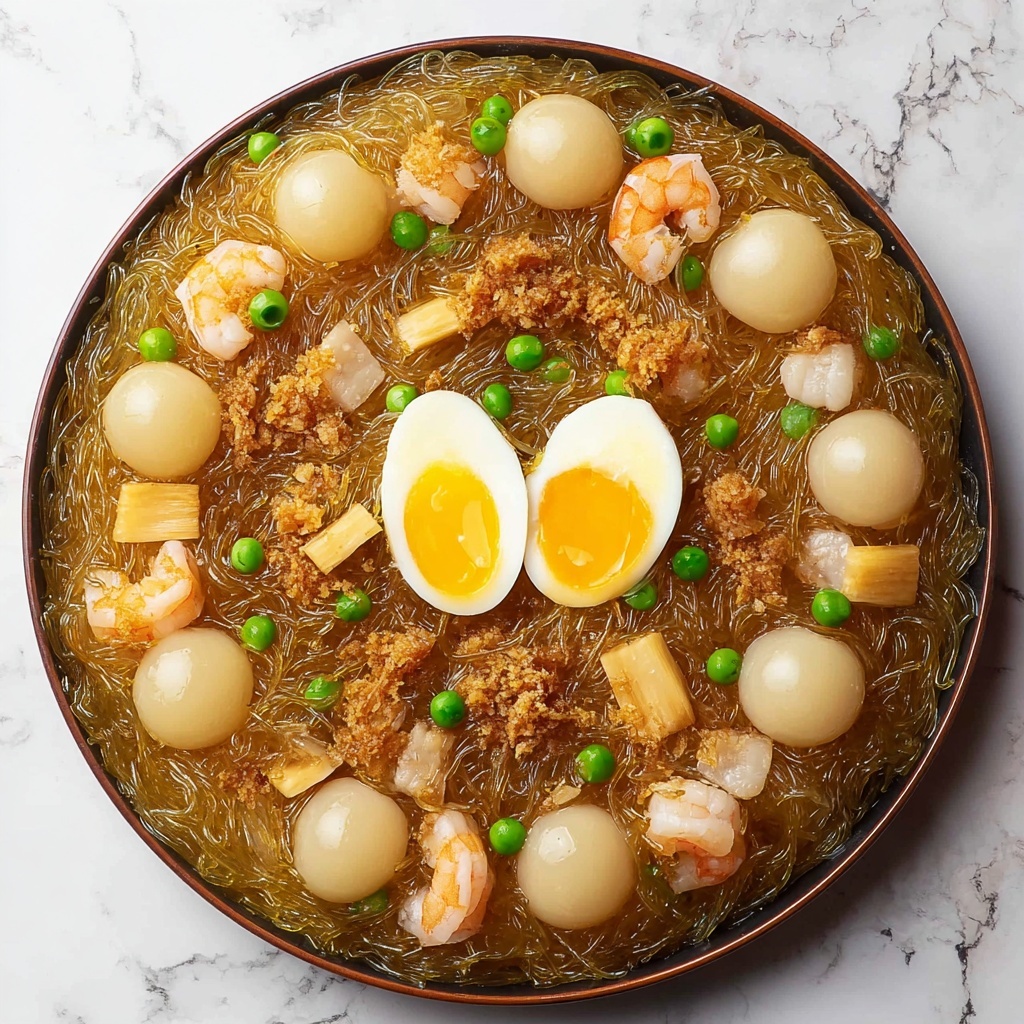
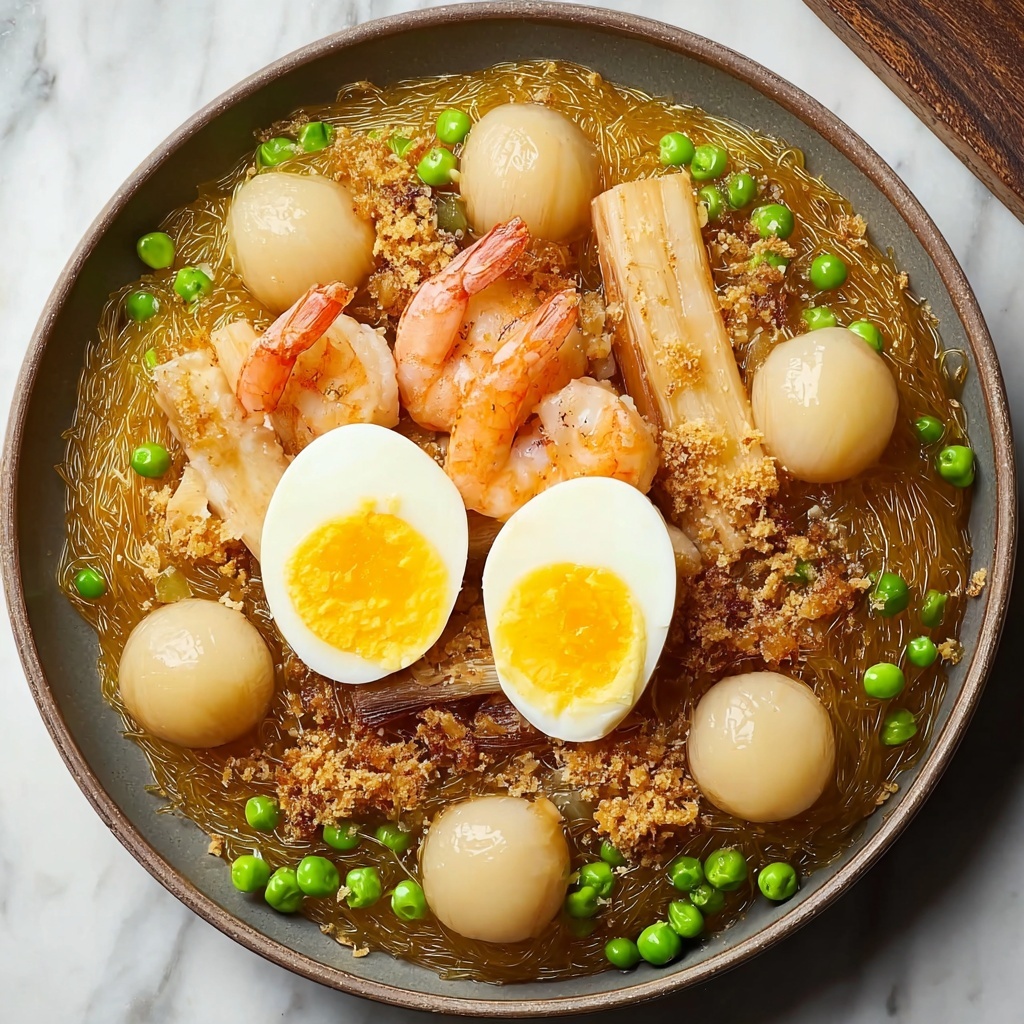
If you’re craving something truly special and bursting with flavor, let me introduce you to my beloved Savory Pancit Palabok: A Flavorful Filipino Classic Made Easy Recipe. This dish is a vibrant celebration of textures and tastes—from the silky rice noodles laden with a rich, golden shrimp sauce to the crispy chicharrón and fresh calamansi that brighten every bite. It’s not only a feast for your palate but a warm expression of Filipino culinary tradition, all made accessible for your kitchen with simple ingredients and straightforward steps. Get ready to wow your friends and family with this heartwarming, savory masterpiece!
Ingredients You’ll Need
Gathering the right ingredients is the key to making this dish shine. Each item plays a crucial role in creating the authentic, irresistible layers of flavor and texture that make Savory Pancit Palabok: A Flavorful Filipino Classic Made Easy Recipe so special. From the annatto seeds that provide a beautiful hue to the crunchy chicharrón topping, every element is thoughtfully chosen to bring the classic to life.
- 2 tbsp annatto seeds (or annatto powder): Adds a natural, vibrant orange color and mild earthiness to the sauce, crucial for that signature look.
- 2 tbsp oil: Used to infuse the annatto color and cook the aromatics; any cooking oil will work well.
- 4 cloves garlic (minced): Provides a fragrant base flavor that’s both savory and inviting.
- 1 medium onion (finely chopped): Adds a gentle sweetness and depth when sautéed.
- 1 cup ground pork (or ground turkey): Lends hearty texture and rich flavor; turkey is a lighter alternative.
- 2 tbsp fish sauce (or soy sauce): Delivers umami punch and saltiness; soy sauce is a perfect vegetarian swap.
- 2 cups shrimp stock (or water with bouillon): The foundation of the luscious sauce, infusing that unmistakable seafood essence.
- 1 cup water: Adjusts sauce consistency to your liking.
- 2 tbsp cornstarch (dissolved in water): Thickens the sauce to a silky, clingy perfection.
- Salt and pepper to taste: Simple seasonings to balance all flavors perfectly.
- 1 cup cooked shrimp (peeled and deveined): Adds sweet seafood bites that enhance texture and flavor complexity.
- 2 large hard-boiled eggs (sliced): Contributes creamy, mellow richness and beautiful visual contrast.
- 1 cup crushed chicharrón: Adds crunch and a subtle porky savor that contrasts delightfully with the softness of the noodles and sauce.
- 1 cup firm tofu (fried and cubed): Offers a tender yet firm bite, perfect for adding variety and soaking up sauce.
- 2 stalks scallions (sliced): Brings fresh, oniony brightness to the finished dish.
- 2 tbsp fried garlic: Intensifies the aroma and delivers a crispy garnish that’s irresistible.
- 2 pieces calamansi or lemon wedges: The finishing touch that adds zesty acidity to balance every bite.
How to Make Savory Pancit Palabok: A Flavorful Filipino Classic Made Easy Recipe
Step 1: Prepare the Noodles
Start by soaking the rice noodles in warm water for about 15 to 20 minutes until they’re soft and pliable. This simple step ensures your noodles will have that perfect tender yet slightly chewy texture, which is essential for authentic Pancit Palabok.
Step 2: Infuse the Annatto Oil
Next, heat your oil gently in a small pan and add the annatto seeds. Allow them to infuse the oil for one to two minutes while on low heat, turning it a beautiful, golden-orange color that’s key to the dish’s iconic appearance. Once infused, strain out the seeds and reserve the oil—it’s pure magic for your sauce.
Step 3: Sauté Aromatics and Cook Pork
In a large skillet, pour your annatto oil and toss in the minced garlic and chopped onions. Sauté them until fragrant and translucent, building that base of flavor everyone will love. Then add the ground pork and cook until it’s nicely browned and starting to crisp a bit. Stir in the fish sauce to infuse that unmistakable umami depth.
Step 4: Make the Signature Sauce
Add shrimp stock to the skillet, bringing the mixture to a gentle simmer. Gradually whisk in your cornstarch slurry, stirring constantly until the sauce thickens to a luscious, velvety consistency that will cling beautifully to the noodles. Season with salt and pepper to taste, balancing all the rich flavors harmoniously.
Step 5: Cook and Drain the Noodles
Bring a separate pot of water to boil, then quickly cook your soaked noodles for just one to two minutes until tender but not mushy. Drain them well to avoid sogginess; the noodles should be ready to soak up that gorgeous sauce.
Step 6: Assemble and Top
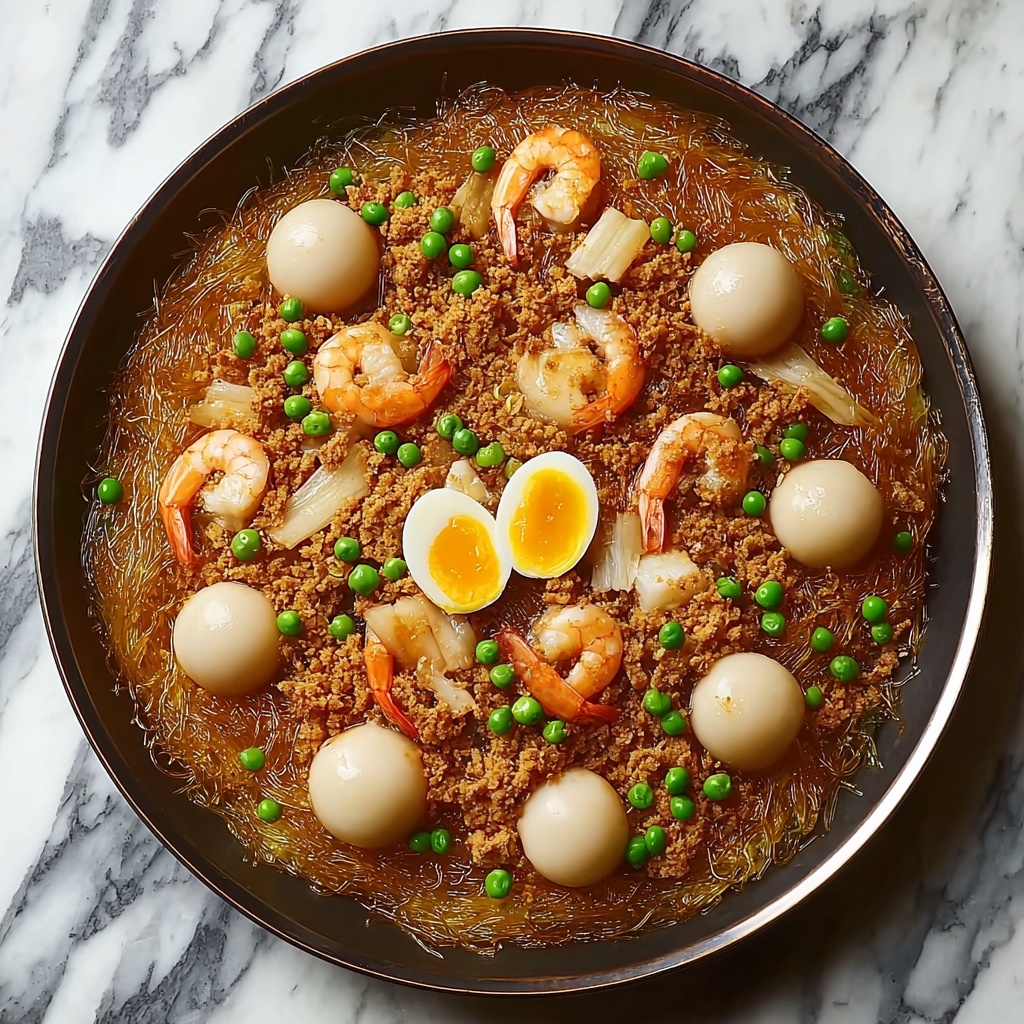
Lay the cooked noodles on a large serving platter, then generously pour your thick, flavorful sauce evenly over the top. Now comes the fun part—decorate with the cooked shrimp, fried tofu cubes, sliced hard-boiled eggs, crunchy crushed chicharrón, freshly sliced scallions, and crisp fried garlic. Each topping adds its own character and exciting texture.
How to Serve Savory Pancit Palabok: A Flavorful Filipino Classic Made Easy Recipe
Garnishes
Authentic garnishes make all the difference. The sliced hard-boiled eggs lend creaminess, while the crushed chicharrón brings a satisfyingly crunchy contrast. Sprinkled scallions and fried garlic add bursts of aroma and crispness. Don’t forget the calamansi or lemon wedges; a quick squeeze brightens the entire dish and balances the savory richness.
Side Dishes
Pancit Palabok pairs beautifully with simple, fresh sides like a crisp cucumber salad or pickled vegetables to cut through its richness. Filipino-style fried lumpia or light grilled chicken can also complement the dish nicely for a heartier meal that’s balanced and filling.
Creative Ways to Present
For an impressive presentation, try layering the noodles and sauce in individual bowls or create a striking platter with colorful toppings arranged in neat sections. You can also experiment by adding some sliced green mango or radish for a fresh zing and extra crunch, giving a new twist to this classic comfort food. Serving with small plates for guests to customize their toppings can be super fun at gatherings!
Make Ahead and Storage
Storing Leftovers
If you happen to have leftovers, store them in an airtight container in the fridge for up to two days. Keep the noodles and sauce separate if possible to maintain the best texture; the noodles can get a bit mushy if soaked too long in the sauce.
Freezing
Freezing Pancit Palabok isn’t ideal because the noodles may become overly soft upon thawing. However, you can freeze the sauce separately in airtight containers for up to a month and reheat it fresh when you want to use it again. Just prepare fresh noodles when ready to serve.
Reheating
Gently reheat the sauce in a pan over medium-low heat, stirring occasionally to prevent scorching. If your noodles are stored separately, quickly blanch them in hot water to refresh their texture before combining with the warmed sauce for the best experience.
FAQs
Can I use a different protein other than pork or shrimp?
Absolutely! Ground turkey or chicken are great alternatives for a lighter version, and tofu makes it vegetarian-friendly. Just be sure to maintain the umami by adjusting your seasonings or using vegetarian fish sauce substitutes.
What can I substitute if I don’t have annatto seeds?
If you don’t have annatto seeds or powder, you can skip the color infusion or use a tiny pinch of turmeric for a similar orange hue, although the flavor will differ slightly. The annatto mainly contributes color and mild earthiness, so the dish will still be delicious!
Is it possible to make Pancit Palabok gluten-free?
Yes! Use gluten-free soy sauce or tamari if substituting fish sauce and ensure your cornstarch and other ingredients are certified gluten-free. Rice noodles themselves are naturally gluten-free, making this dish suitable with easy swaps.
How do I prevent the noodles from getting soggy?
The key is to soak the noodles until just pliable, then cook them quickly for a short time before draining thoroughly. Serve immediately after assembling with the sauce to maintain that perfect tender yet slightly firm bite.
What’s the origin of Pancit Palabok?
Pancit Palabok is a beloved traditional Filipino noodle dish celebrated for its rich seafood sauce and colorful toppings, often enjoyed during special occasions. Its name comes from “palabok,” which means topping or embellishment, perfectly describing the array of garnishes that make this dish so delightful.
Final Thoughts
There’s nothing quite like diving into a plate of Savory Pancit Palabok: A Flavorful Filipino Classic Made Easy Recipe to feel the warmth and joy that Filipino cuisine brings. It’s truly a dish that invites sharing, celebrates heritage, and satisfies hunger with style. Whether you’re making it for a family dinner or to impress your friends, this recipe is a beautiful way to bring a taste of the Philippines right into your home kitchen. Give it a try—you’ll be amazed at how easy and rewarding it is to recreate this flavorful classic!
Print
Savory Pancit Palabok: A Flavorful Filipino Classic Made Easy Recipe
- Prep Time: 25 minutes
- Cook Time: 35 minutes
- Total Time: 1 hour
- Yield: 4 servings
- Category: Main Dish
- Method: Stovetop
- Cuisine: Filipino
Description
Savory Pancit Palabok is a beloved Filipino noodle dish featuring thin rice noodles topped with a flavorful shrimp and pork sauce infused with annatto oil. Garnished with shrimp, tofu, sliced hard-boiled eggs, crispy chicharrón, scallions, and fried garlic, this recipe offers an authentic taste of Filipino cuisine that’s simple to prepare and perfect for family meals or celebrations.
Ingredients
Sauce and Protein
- 2 tbsp annatto seeds (or annatto powder for quicker preparation)
- 2 tbsp oil (any cooking oil can be substituted)
- 4 cloves garlic (minced)
- 1 medium onion (finely chopped)
- 1 cup ground pork (or ground turkey for a lighter version)
- 2 tbsp fish sauce (soy sauce as a substitute for vegetarian option)
- 2 cups shrimp stock (or water with bouillon)
- 1 cup water (for adjusting sauce consistency)
- 2 tbsp cornstarch (dissolved in water before use)
- to taste salt
- to taste pepper
Noodles
- Rice noodles (amount not specified, estimated 200g dry)
Toppings and Garnishes
- 1 cup cooked shrimp (peeled and deveined)
- 2 large hard-boiled eggs (sliced)
- 1 cup crushed chicharrón (fry yourself or use store-bought)
- 1 cup firm tofu (fried and cubed)
- 2 stalks scallions (sliced)
- 2 tbsp fried garlic
- 2 pieces calamansi or lemon wedges (for serving)
Instructions
- Preparation: Soak the rice noodles in warm water for 15-20 minutes until softened and pliable. Drain and set aside.
- Infuse Annatto Oil: Heat oil in a small pan over low heat, adding the annatto seeds to infuse for 1-2 minutes. Strain the oil and reserve the liquid for the sauce.
- Sauté Aromatics and Cook Pork: In a large skillet, add the annatto oil, sauté minced garlic and chopped onions until fragrant and translucent. Add ground pork and cook until browned. Stir in fish sauce for seasoning.
- Prepare Sauce: Pour in shrimp stock and bring the mixture to a gentle simmer. Gradually add dissolved cornstarch while stirring continuously until the sauce thickens. Season with salt and pepper to taste. Add water as needed to adjust sauce consistency.
- Cook Noodles: In another pot, boil water and cook soaked noodles for 1-2 minutes until tender but still firm. Drain thoroughly to prevent sogginess.
- Assemble the Dish: Place cooked noodles on a serving platter. Pour the rich pork and shrimp sauce evenly over the noodles. Top with cooked shrimp, fried tofu cubes, sliced hard-boiled eggs, crushed chicharrón, sliced scallions, and fried garlic.
- Serve: Offer calamansi or lemon wedges on the side for squeezing over the dish to add a fresh, tangy brightness.
Notes
- Using annatto powder instead of seeds can speed up the preparation of annatto oil.
- Ground turkey can be substituted for ground pork to reduce fat content.
- For a vegetarian version, replace fish sauce with soy sauce and omit shrimp stock, substituting with vegetable broth.
- Prepare chicharrón from pork rinds for authentic crunch or use store-bought to save time.
- Adjust the thickness of the sauce by varying the amount of dissolved cornstarch.
- Fresh calamansi adds authentic Filipino flavor but lemon can be used as an alternative.